
Salmerino Alpino Arrostito con Finocchio, Cipolle, e Patate

I think the fishmongers have learned my shopping habits and display their “wares” accordingly. Oh, I enter the store with a list in-hand but, unlike for most, my list is merely the starting point. I need to walk around the store before the real buying begins — and that’s where my fishmongers enter the picture. Knowing that I will come their way, they never fail to have something on display that is sure to catch my eye, and then they simply reel me in. One week it might be a collection of the smallest and sweetest of clams. Another time, it could be merluzzo so fresh I expect them to flap around in the display case. Not so surprisingly, last week, after writing that I was on a mission to find a 1 lb. octopus, I saw the octopus of my dreams perched atop its smaller, inferior brethren and I swear one of its arms motioned for me to come over and have a look. Coincidence? I think not.
It should come as no surprise, therefore, that when I walked up to the counter recently, there, in the center of the display, where only the week before rested snow-white fillets of cod, was today’s arctic char. With flesh more red than salmon (see Notes), these fillets were farm-raised, most likely in tanks on land. (Thank you, Seafood Watch.) Of course, I bought a nice fillet, just like the fishmonger knew I would.
Stepping away from the counter, I realized I didn’t know what to do with my purchase. My only experience with the fish, if you can call it that, was to watch it prepared on “Iron Chef.” The one thing I did know for certain was that I should cook it that night. What’s the point of buying fresh fish if it’s going to sit in the fridge or, worse yet, the freezer, waiting to be called into duty? Moments later with phone in-hand, I googled “arctic char recipes” and, lo and behold, one of the search results was a recipe from Seafood Watch. That is the dish I’m sharing today, with a couple of modifications to suit my tastes.
* * *

* * *
Roasted Arctic Char with Fennel, Onions, and Potatoes Recipe
Ingredients
- 12 oz (340 g) arctic char fillet
- 1 large bulb of fennel, sliced thick
- 1 medium red onion, sliced thick
- 12 new/fingerling potatoes, halved and quartered to make them equally sized
- 1 orange, juice and zest, divided
- 1/4 cup balsamic vinegar
- 1/4 cup orange juice
- 2 tsp brown sugar
- 1/4 cup olive oil, divided
- salt & pepper
- fennel fronds, chopped
- orange slices, garnish
* * *

* * *
Directions
- Pre-heat oven to 450˚ F (235˚ C). Place 1 oven rack in the upper third of the oven, and, another rack in the lower third.
- Place potatoes in a baking dish, season with salt, pepper, and 2 tbsp olive oil. Stir to evenly coat. Place on upper rack in the pre-heated oven and roast for 20 minutes.
- Place fennel and onion into a bowl. Add half of the orange zest, the rest of the olive oil, and season with salt and pepper. Gently mix to evenly coat the ingredients.
- Lightly oil and season both sides of the arctic char. Place on a lightly oiled baking sheet.
- After 20 minutes, add the fennel and onion to the potatoes and stir to combine. Return to oven for 15 minutes.
- After 15 minutes, place the baking sheet with the arctic char on the lower rack of the oven. Stir the roasting vegetables and return to the oven’s top shelf. Continue to roast for another 10 to 12 minutes, depending upon the thickness of the fish fillet. The fillet is cooked when the flesh flakes easily and is opaque in the center, not translucent.
- Meanwhile, place remaining orange zest, balsamic vinegar, orange juice and brown sugar into a small sauce pan over med-high heat. Bring to a boil, lower the heat, and reduce sauce to the consistency you desire.
- When fish is cooked, remove to a plate and serve with the roasted vegetables. Drizzle sauce over both fish and vegetables and garnish with a sprinkling of fennel fronds. Place orange slices on the plate, the juice of which may be squeezed on the fillet.
Inspired by a recipe found on the Monterey Bay Aquarium: Seafood Watch site.
* * *

* * *
Notes
As mentioned, the flesh of arctic char can be more red than salmon — usually indicating the fish has been farm-raised — but it can be a lighter hue, as well. It is said to taste like a cross between salmon and trout, and not quite as strong as salmon. For this reason, some may feel it tastes a bit more like trout. As a general rule, prepare arctic char as you would salmon and you will not be disappointed.
The Monterey Bay Aquarium created and maintains the Seafood Watch site and App. The App is free and can be loaded into your Apple or Android smart phone and tablet. It is meant to encourage us, the consumers, to purchase seafood that is “fished or farmed in ways that don’t harm the environment.” The App rates seafood as “Best Choice” and “Good Alternatives”, as well those which we should “Avoid.” Whether at the market or in a restaurant, I use the App to guide my seafood purchases. Unfortunately, Seafood Watch only covers the United States and Hawaii, though there may be a similar App for your corner of the World.
* * *
It’s déjà vu all over again …

Recently, “hits” on my dog jerky post have soared and it has become this blog’s most popular post for each day since dog treats came back into the news. Once again, something in store-bought jerky treats is causing dogs to become ill and far too many have died. (TIME: The FDA has No Idea Why Jerky Treats Are Killing Hundreds of Dogs.) Every dog that I have owned has loved these treats but they are hardly worth the risk, especially when it is so easy to make jerky at home. Before you buy another bag of jerky for your dog, please click HERE to see how easy — and inexpensive — it is to make your own beef & chicken jerky for your pupster.
* * *
Coming soon to a monitor near you …
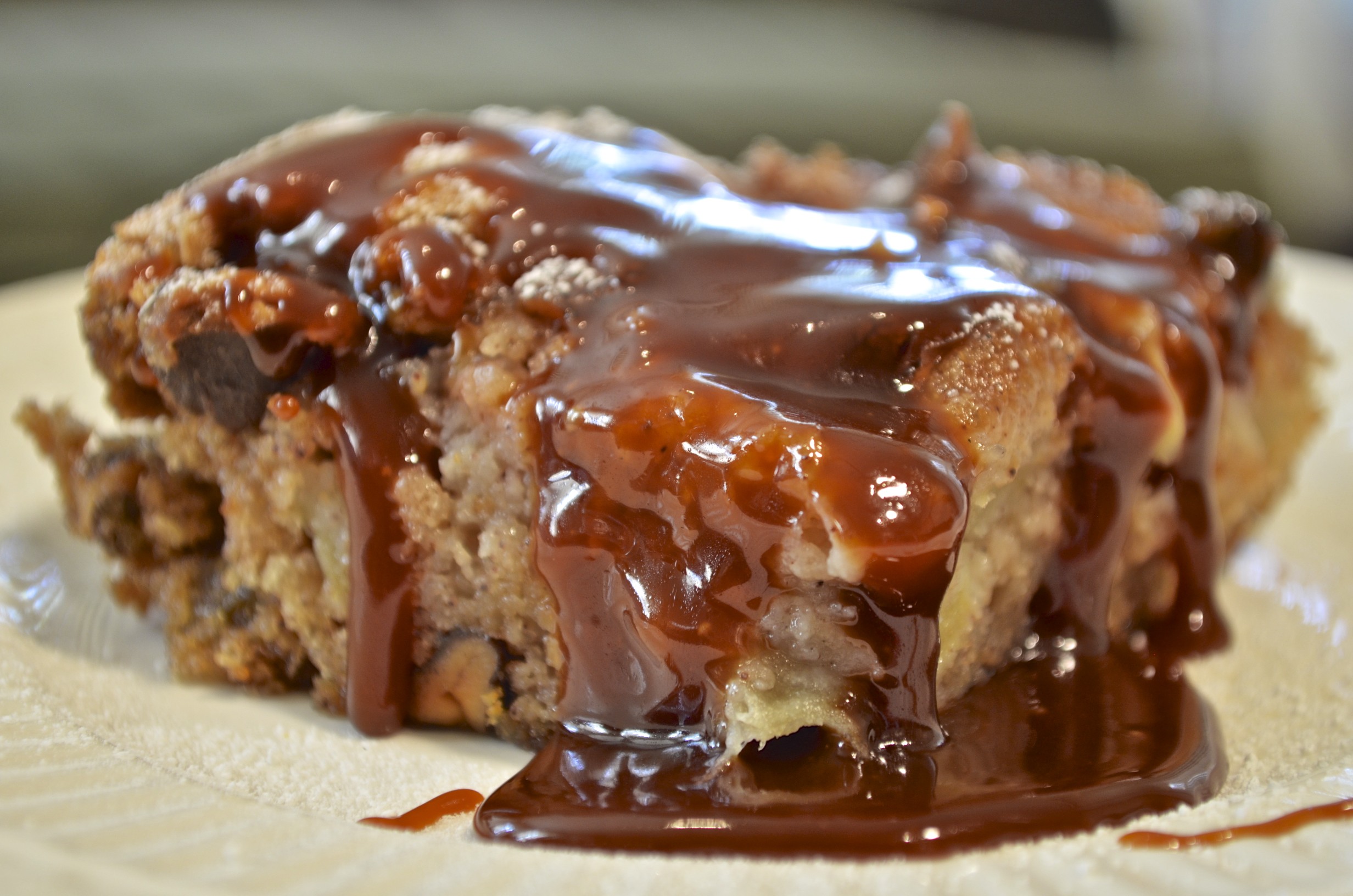
Aunt Mary’s Apple Cake
* * *


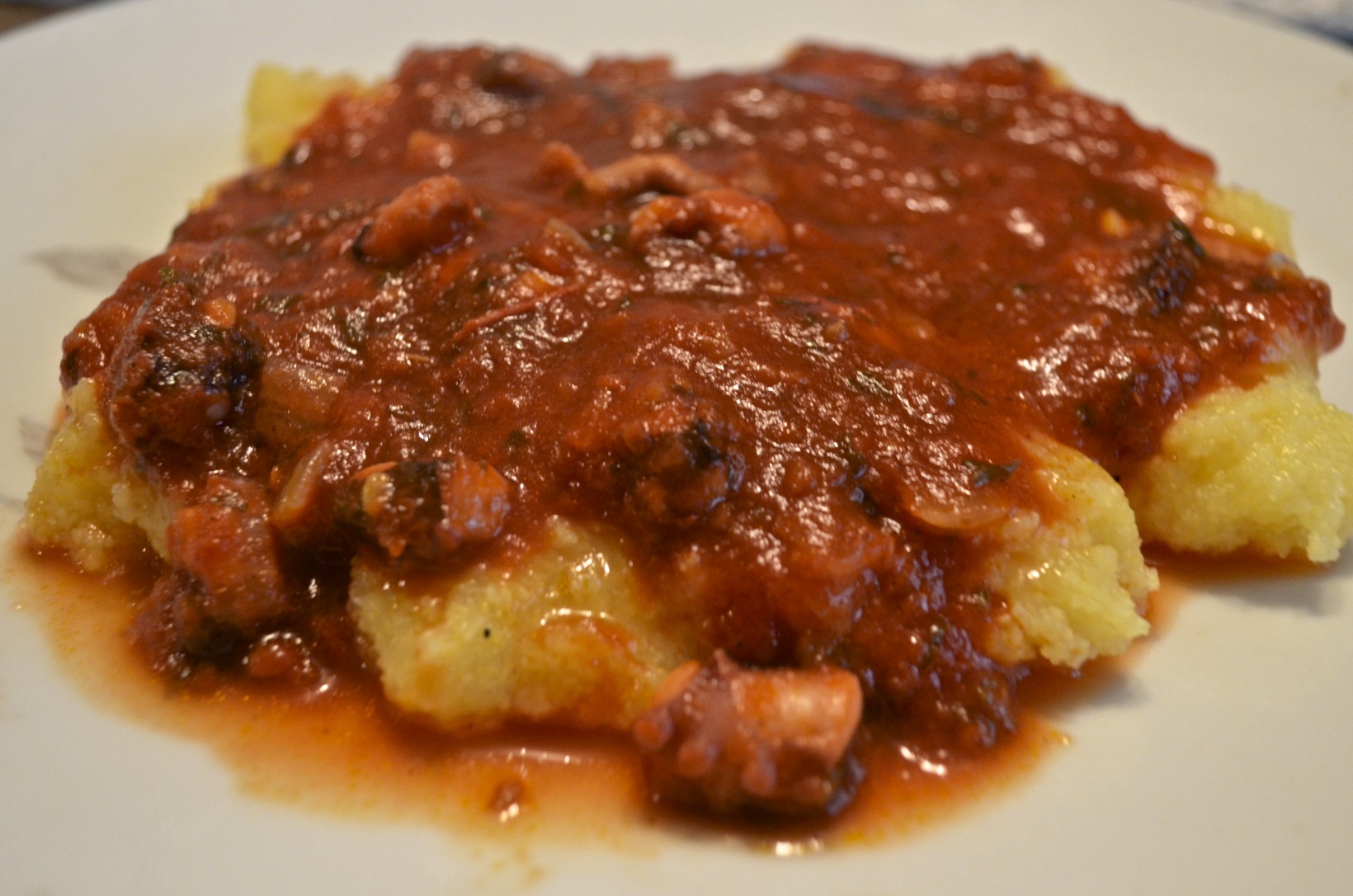


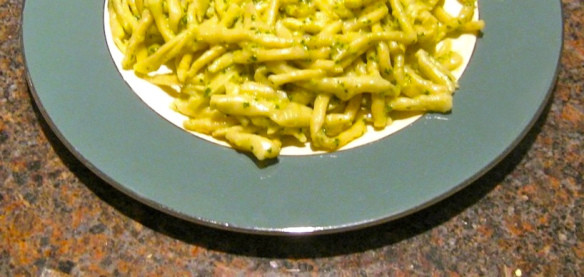













 from the Bartolini kitchens