On the Road Again …

On the road again… Virtually speaking, at least for now.

My good friend, Judy, Savoring Today, recently underwent surgery and asked a few of us to write guest posts for her while she convalesces. How could anyone refuse? Not only is her fantastic blog filled with plenty of mouth-watering recipes, Judy is about as nice a person you’ll meet in the blogosphere. Of course I agreed to help out and scheduled a post about making garganelli at home. Well, events got in the way and, with an unexpected bounty of fresh ramps in my possession, I was suddenly creating ramps pesto and a post detailing the recipe. Being ramp season is so short, I substituted the pesto post for the garganelli. You can learn how to make this earthy pesto for yourself by heading over to Judy’s blog to read my recipe for Ramps Pesto.

 *     *     *

Ramps Pesto Preview *     *     *

One more thing. The Kitchens will remain closed for several weeks while I do a little touring. Consider this a belated 60th birthday gift to myself. You can learn a bit more of my upcoming travels over at Judy’s place.

Take care and I’ll see you soon.

*     *     *

We’re Celebrating St. Joseph’s Feast Day with a Sicilian Strata

Oh, happy day! As some of you already know, today, March 19th, is the feast day of the Christ Child’s earthly Father, St. Joseph. Celebrated in towns and villages throughout Italy, the life of this humble carpenter is especially commemorated in Sicily, where it is believed his intercession saved the island’s inhabitants from a drought-induced famine during the Middle Ages. Today, in the States, his feast day is remembered wherever an Italian community calls home. Here in the Bartolini kitchens, we celebrate St. Joseph with music. In years past, we assembled a band and sang a song. All that’s left to do is dance.

*     *     *

*     *     *

Since today we celebrate Sicily’s Patron Saint, why not feature a dish from that beautiful island? That’s a great idea, though I doubt that this dish is actually Sicilian in origin. Chances are it’s an American-Italian creation, if that. Well, at least half of its name is Italian, strata being derived from the Italian word for layer, strato.

As its name suggests, a strata consists of layers of ingredients and these are held together with a custard-type mixture. Strata come in many flavors. When Zia’s youngest Son’s family comes for a visit, ofttimes 3 of her Grandsons will work together to serve brunch. One mans the smoker while the other 2 bake a strata and prepare a few side dishes. They perform like a well-oiled machine and no one leaves that table hungry.

With a Sicilian strata, it’s all about the sausage, so, be sure to use your favorite Italian sausage, or homemade if you have it. You’ll find that today’s recipe is relatively benign but you can spice it up as much as you like. This can be easily accomplished by using “hot” Italian sausage, sautéing diced hot peppers with the vegetables, and/or seasoning the vegetables with red pepper flakes.

Your strata may be served hot or at room temperature, making it perfect brunch fare. Assemble it the night before and bake it anytime before your guests are seated at the table. Add a salad, some jam for bread/toast/bagels, perhaps some fruit, and brunch is served. Best of all, instead of being stuck in the kitchen playing short-order cook, you’ll be sipping Bloody Marys with your guests.

*     *     *

Sicilian Strata 1*     *     *

Sicilian Strata Recipe

Ingredients

  • 1 lb Italian sausage meat, from links or patties (See Notes)
  • extra virgin olive oil
  • 6 mushrooms, sliced
  • 1 orange bell pepper, chopped
  • 6 Spring onions (scallions) chopped
  • 1 loaf Italian bread, sliced
  • 1/2 cup Pecorino Romano cheese, divided – Parmigiano Reggiano may be substituted
  • 8 oz (225 g) ball of fresh mozzarella, grated, divided (See Notes)
  • 1 dozen cherry/grape tomatoes, sliced, divided (See Notes)
  • 9 large eggs
  • 3 cups whole milk
  • salt and pepper, to taste (See Notes)
  • chopped parsley for garnish

*     *     *

Sicilian Strata 2*     *     *

Directions

  1. In a large frying pan over med-high heat, sauté sausage meat until browned. Remove to a dish and reserve.
  2. In the same pan, sauté mushrooms until just about cooked through, about 5 minutes. If needed, add some additional olive oil.
  3. Add the onions and peppers to the pan and sauté until soft, another 5 minutes.
  4. Return sausage to the pan, mix, and heat through. Remove from heat and reserve.
  5. In a large mixing bowl, whisk together the eggs, milk, salt, and pepper until well-combined.
  6. Use oil spray, vegetable oil, or butter to lightly grease a large baking dish.
  7. Build the strata:
    1. Cover the bottom of the dish with a layer of bread slices.
    2. Sprinkle half of the sausage mixture over the bread.
    3. Add half of the tomatoes.
    4. Sprinkle half of the grated Pecorino Romano cheese on top.
    5. Finish this layer by adding half of the mozzarella cheese.
    6. Add another layer of sliced bread.
    7. Cover this layer with the remaining sausage mixture and tomatoes.
    8. Carefully pour the egg mixture over the top of the entire dish.
    9. Finish the strata by sprinkling the rest of the Pecorino Romano and mozzarella on top.
  8. Cover and refrigerate for at least one hour or overnight.
  9. Pre-heat oven to 350˚ F (175˚ C).
  10. Remove cover and bake in the center of the pre-heated oven until the eggs are set and the top is lightly browned, about 40 to 50 minutes. It should have a reading of no less than 165˚ F (74˚ C) on an instant-read thermometer. (See Notes)
  11. Allow to rest for 5 to 10 minutes before garnishing with parsley and cutting into squares for serving.

*     *     *

This slideshow requires JavaScript.

*     *     *

Still not quite what you had in mind?

Then head on over to my blogging friend Nancy’s blog, Feasting with Friends. Just days ago she posted a recipe for a strata with Ham & Asparagus and it sounds delicious.

*     *     *

Notes

Use whatever sausage you like, though Italian is suggested. It is a Sicilian strata, after all. I use our family sausage though you might prefer something a little sweeter or a bit more spicy. If using links, be sure to remove the sausage meat from the casings before cooking.

If using fresh mozzarella, it will be much easier to grate if you place it in your freezer for 30 to 45 minutes before grating.

As you may have seen in the photos, 8 oz of fresh mozzarella, when grated, will not result in enough mozzarella to completely cover each layer. Use more if that is what you prefer.

In Summer, I use a couple of “regular” tomatoes that I chop before adding to the strata. Being this is Winter, good tomatoes are practically impossible to find here, so, I use cherry or grape tomatoes that I slice in half. Use the best tomatoes you can, given the season.

The amount of salt you use will depend greatly upon the sausage and cheese you’ve chosen. Both can add quite a bit of salt to your strata.

Allowing the strata to come up to room temperature before baking will reduce baking time. As a precaution since you’re using raw egg, do not let the raw strata sit unrefrigerated for more than a half-hour, especially if you’ve a warm kitchen.

*     *     *

It’s déjà vu all over again …

Bartolini Cannelloni 1Since we’re in a celebratory mood, I thought today’s blast from the past should take us back  to a recipe that was shared to commemorate a previous St. Joseph’s Feast Day. It was just about a year ago that I showed you all how to make Bartolini cannelloni, affectionately labeled a crown jewel of the Bartolini family recipe book. For a refresher course, all you need do is click HERE.

*     *     *

Coming soon to a monitor near you …

Harissa Thighs 3Harissa Chicken

*     *     *

Egg-Filled Ravioli

Uova da Raviolo

Ravioli-7

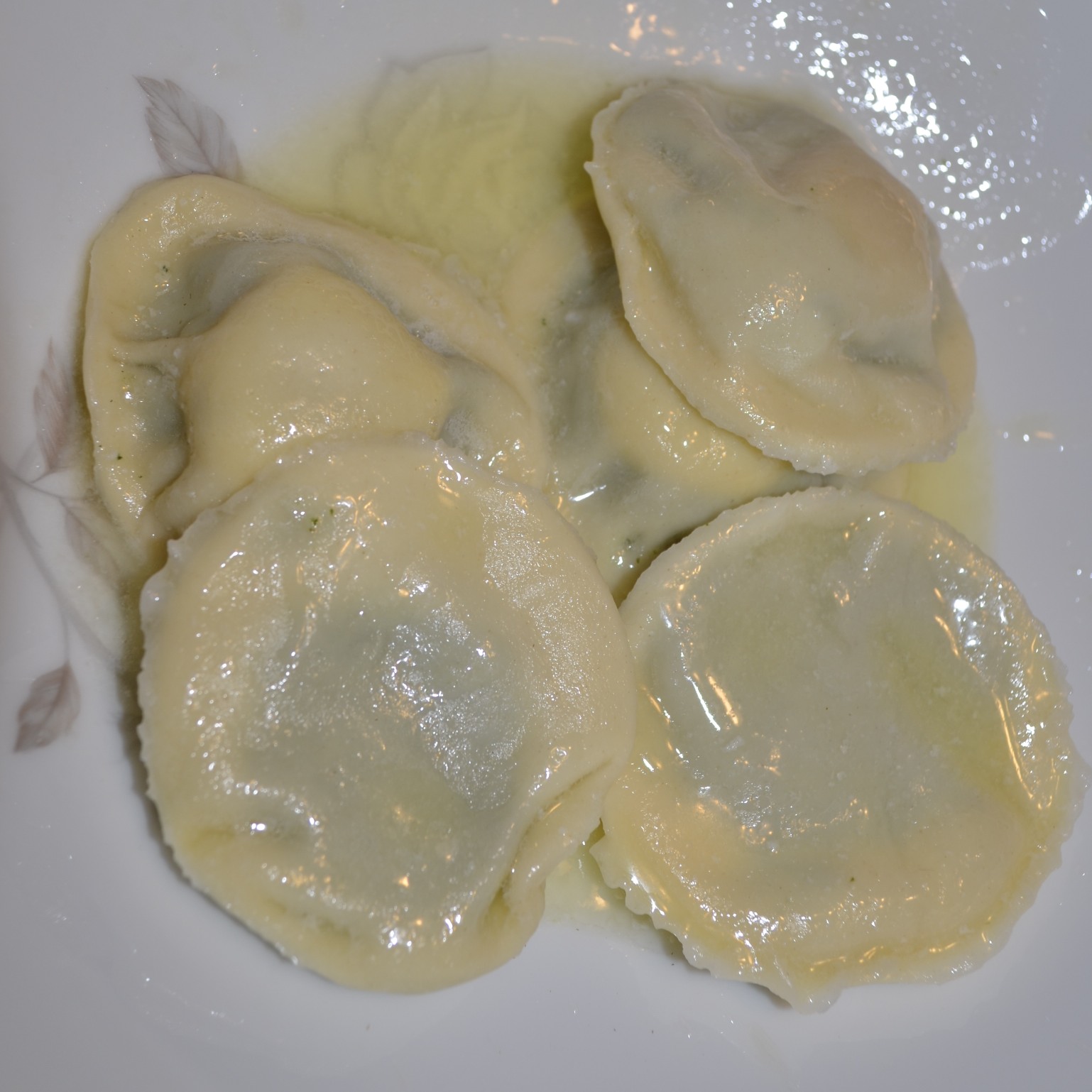
Although my family made plenty of ravioli, only two filling recipes were prepared, one for ravioli served in tomato sauce and the other for cappelletti served in soup. I’ve been told that Mom and Zia experimented with cheese-filled ravioli but were never satisfied with them and gave up trying after a few attempts. Then, a few years ago, after having mastered the recipe for Bartolini sausage, I used it to fill ravioli and I was off and running. Since then, I’ve made a number different fillings, most dependent upon what was fresh and in-season at the time. Never, though, did I make today’s recipe, Egg-Filled Ravioli, Uova da Raviolo.

Last year, my blogging friend, Sarah, prepared these delectable ravioli using chicken eggs. Though she no longer maintains her blog, the memory of that dish stayed with me and I decided to surprise Zia with the dish. Since my family never made ravioli large enough to encompass the yolk of a chicken egg, I thought that if I used quail eggs, the ravioli would be much smaller and more in line with my family’s traditions. Well, when I went to buy the quail eggs in September before my trip home for honey, the vendor at the farmers market didn’t have any. My plans would have to wait until my next trip. In the meantime, my friend Celi posted her delicious recipe for these extraordinary ravioli and, not long after, my friend Eva posted her “delightful” recipe. Luckily, Zia saw neither post so my plans remained secret. Weeks later, before my last trip home, I went to the vendor to buy the quail eggs. Not only did the vendor remember me, she gave me 2 packs of eggs for the price of one. Already into November and with her birthday to come in a few weeks, my surprise dinner became Zia’s birthday dinner, with these ravioli as primo piatto.

 *     *     *

Uova da Raviolo, served

*     *     *

In the past, I’ve mentioned that Mom loved Swiss chard (silverbeet), even managing to secure a small piece of Grandpa’s prized garden to grow some. Although our ravioli recipes normally use spinach in the filling, I substituted chard as a means of bringing Mom to Zia’s birthday dinner. The substitution worked so well that Zia mentioned she may use chard the next time she makes ravioli.

Now, when you look at the recipe, you’ll undoubtedly notice that there are few, if any, ingredient amounts listed. The fact that I didn’t have a proper scale is part of the reason but certainly not the sole cause. The proportion of the ingredients will rely upon the amount of chard that you have and your own tastes. Once the chard is cooked and readied for use, add the Pecorino Romano cheese and then enough ricotta until it tastes and looks like you prefer. At this point, there are no raw eggs in the filling, so, you can taste it without fear of becoming ill. Just remember the filling should be stiff enough to support an egg’s yolk.

 *     *     *

ETA

Since this was published, my good blogging friend, Minnie of The Lady 8 Home, posted an entry using scissors to open quail eggs. If you’re interested in making these ravioli, be sure to check out Minnie’s post.

*     *     *

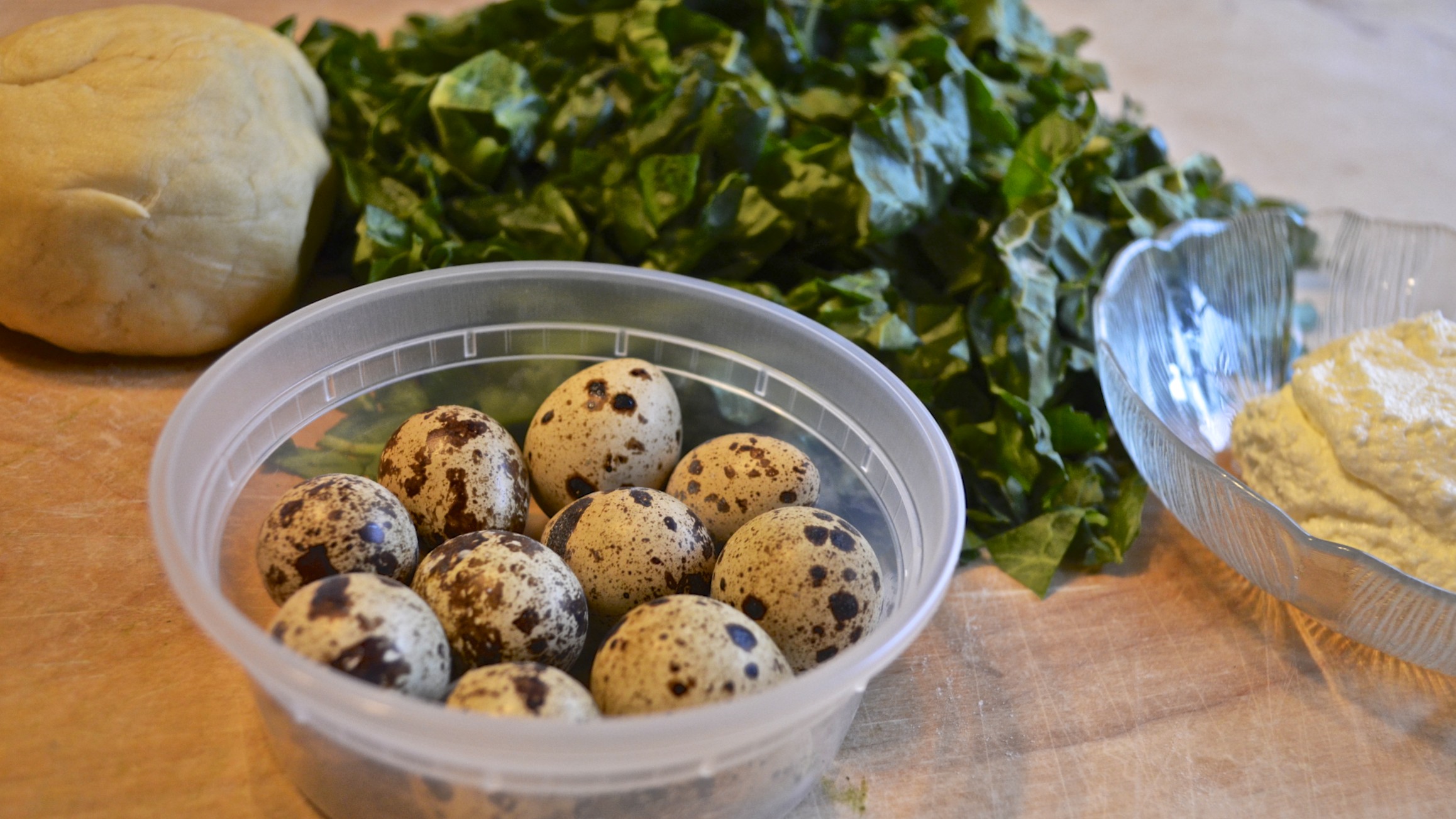
Ravioli Filling Ingredients*     *     *

Uova da Raviolo Recipe

Ingredients

  • 1/2 recipe of Mom’s Pasta Dough — recipe to be found HERE
  • 1 dozen quail eggs — you’d be wise to purchase a few extra (See Notes)
  • 1 bunch Swiss chard, leaves only, chopped
  • 2 tbsp butter
  • ricotta cheese — recipe to be found HERE
  • Pecorino Romano cheese, grated
  • ground nutmeg, to taste
  • Salt & pepper
  • butter

Directions

Prepare pasta dough, set aside to rest, and make the filling.

to make the filling

  1. Melt 2 tbsp of butter in a sauté pan over med-high heat. Add the Swiss chard, season with nutmeg, salt, pepper, and sauté until cooked. Allow to cool, place in a clean kitchen towel, and wring out as much liquid as possible. Set aside.
  2. To your food processor, add the cooked chard, ricotta cheese, and a handful of Pecorino Romano cheese. Process until smooth. Set aside.

to make the ravioli

  1. Place a strip of thinly rolled dough on a lightly floured work surface. (See Notes.)
  2. Most machines create strips that are 6 inches wide. Place a tbsp of filling, at about 3 inch intervals, in a straight line about 2 inches from the strip’s edge.
  3. Use a spoon to indent each tbsp of filling, creating a nest.
  4. Carefully break each quail egg, separate the yolk, and place one yolk in each filling nest.
  5. Use a pastry brush to lightly moisten the opposing side of the pasta strip.
  6. Carefully cover the nests with the moistened side of the pasta strip. Use a glass or biscuit cutter to seal and cut each raviolo.
  7. If air is trapped in a raviolo, use a toothpick to pierce the underside, being careful not to damage the enclosed yolk. Gently squeeze the trapped air out of the raviolo.
  8. Place ravioli on a lightly floured, wax paper covered baking sheet. Cover the ravioli with a clean kitchen towel. Ravioli should be cooked as soon as possible. Keep refrigerated until ready for use.

to cook and serve

  1. Bring a large pot of salted water to the boil over high heat.
  2. Add the ravioli and when the boil returns, lower the heat and gently cook the ravioli for about 2 minutes.
  3. Meanwhile, melt a few tbsp of butter in a sauté pan over medium heat.
  4. Use a spider strainer to remove the ravioli, placing them in the sauté pan with the melted butter.
  5. Gently toss the ravioli until all are well-coated with butter.
  6. Serve immediately, garnished with a sprinkling of Pecorino Romano cheese.

*     *     *

*     *     *

Variations

Although I served the ravioli dressed with melted butter, they may also be served with a sage-brown butter sauce or a fine extra virgin olive oil. Just be sure to garnish the dish with a sprinkling of grated Pecorino Romano cheese.

*     *     *

Notes

The pasta should be rolled very thin. The thicker the pasta, the longer it will take to cook the ravioli and you’ll run the risk of over-cooking the eggs. The yolks should be runny and not at all hard.

I had planned to serve these ravioli with a sage-brown butter sauce. When it came time to prepare the sauce, however, the sage went missing. With dinner already started and the nearest supply of fresh sage some 30 miles away, I decided it really wasn’t all that necessary and used butter and cheese to dress the pasta. As luck would have it, I was back here in Chicago when Zia came across the sage in her fridge, right where I’d left it.

These were served as a primo piatto. Frankly, there aren’t enough hours in a day to make enough of these ravioli for a main course. I had intended to make 6 per serving but, some time and a number of broken yolks later, I decided that 5 per serving would be plenty.

Quail eggshells are remarkably strong and the inner membrane is even more durable. Together, they make it difficult to break each egg and get to the yolk without it breaking. Buy more quail eggs than needed to allow for the inevitable loss of a yolk or two or three or …

Chances are, once you’ve made your ravioli, you’re going to have some pasta dough left over. Don’t throw it away but follow Mom’s example. She used the scraps to make quadretti pasta, which she kept sealed in an airtight container, adding to it every time she made pasta. These little pasta squares were added to broth and made a great meal. Click HERE to see step-by-step instructions for making quadretti pasta.

*     *     *

Tutto Fatto

*     *     *

It’s déjà vu all over again …

In the old two-flat, it wouldn’t be Christmas if there wasn’t a platter of ravioli on the table. WIth today’s post sharing a new ravioli recipe, I thought today we’d also look back to the original Bartolini Ravioli Filling recipe, as well as the instructional post demonstrating how to use a ravioli form to make the pasta pillows. You can see each post by clicking on the caption under each photo below.

*

Filling Recipe for Bartolini Ravioli

*

How to use a Dye/Mold to Make Ravioli

*     *     *

Coming soon to a monitor near you …

Turkey Risotto Preview

Turkey Risotto

*     *     *

What I Did During My Fall Vacation

On the Road

I’m back from what was, for the most part, another wonderful visit with my Zia. We cooked, we talked, we talked about cooking, and, as one might expect, I’ve a few recipes to share in the weeks to come.

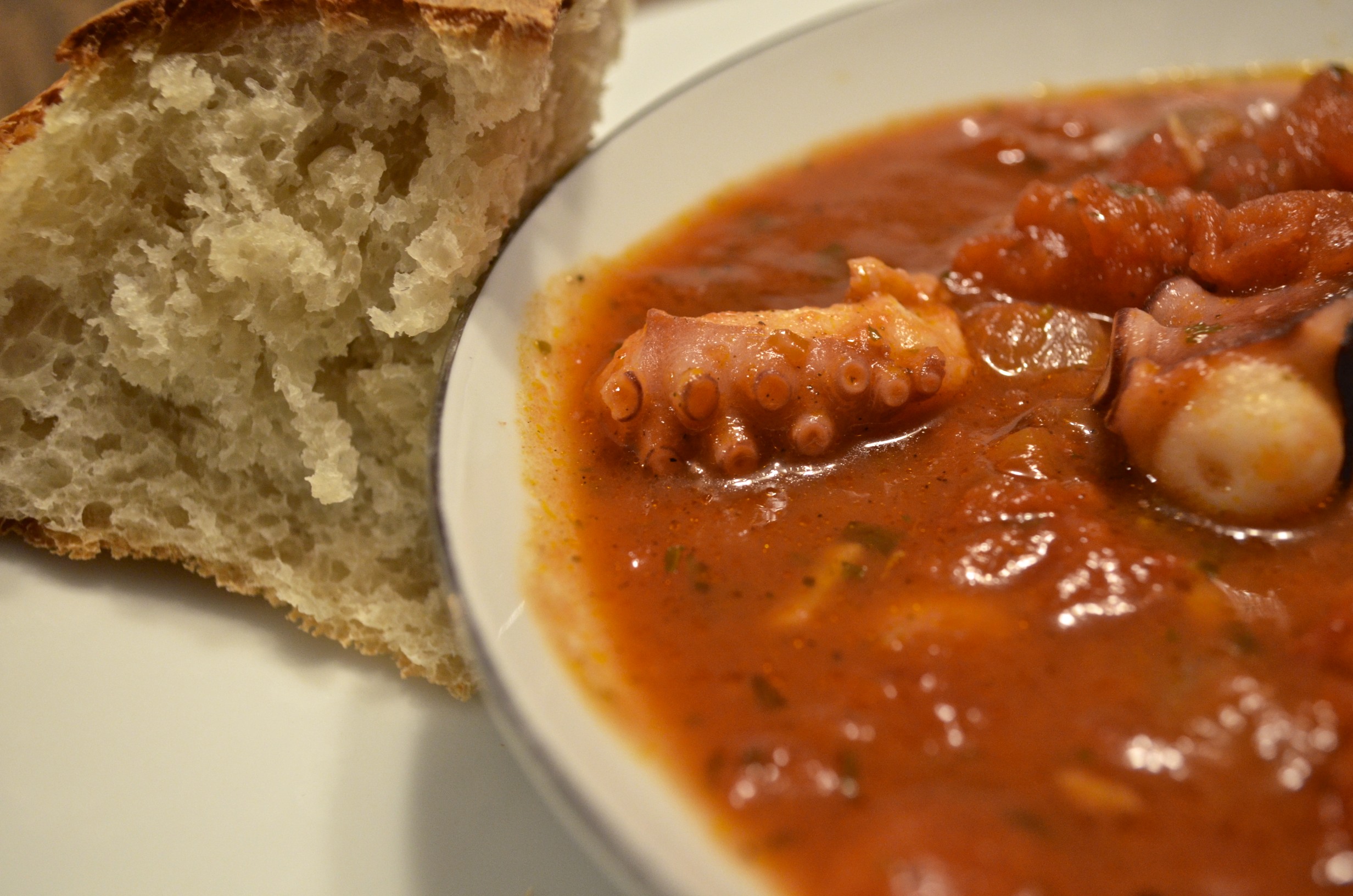
First, having located the surprisingly illusive 1 lb. octopus, I revisited the recipe posted a couple of weeks ago and prepared “Polipo in Umido“, Stewed Octopus. Although I won’t create a new post for the recipe, I’ve added the recipe to the end of this post and have added a link to the original post. I will not include the recipe for the bread I baked that afternoon simply because I evidently failed to bookmark the webpage’s address.

RIccetteOn another night, I reached into the box of Bartolini pastas that our ever-so-thoughtful friend, Lidia, had sent us, and prepared a Pasta alla Verdure, Pasta with Vegetables. It’s a delicious vegetarian dish — if you’re willing to overlook the guanciale that was rendered in the first step.

Since I’ll be unable to visit Zia for her birthday at the end of this month, I prepared a birthday dinner for the two of us. Our primo piatto was L’Uova da Ravioli, Egg-Filled Ravioli.  Our secondo was Osso Bucco, Braised Veal Shanks, while our dessert was a Pear Tarte Tartain. I do not plan on sharing the tart recipe for it wasn’t my finest hour. Knowing that a number of you had recently posted recipes, I attempted to find one of them but the 10 minute/post load time wore me out, so I sought help from the Almighty, the one and only Martha Stewart. Her recipe produced a tasty dessert but my “flip” was a matter of great disappointment and resulted in a presentation that was anything but “a good thing.” So, we took off our eyeglasses and enjoyed it immensely.

*     *     *

*     *     *

One thing you may not know about my Zia is that she enjoys a bit of jam every now and Strawberry-Cranberry Jamagain. Well, recently, our good friend BAM, of Bam’s Kitchen fame, shared her recipe for Bammer’s Jammers. Made with cranberries, strawberries, and ginger, this quick jam is delicious. The mix of tart and sweet is a winning combination, if ever there was one, and Zia loved it. Be sure to check out her recipe and, while you’re there, have a look around BAM’s blog. Guaranteed, it will be time well-spent. And a big “Thank You!” to BAM for the recipe.

*     *     *

Unfortunately, all was not good food and talk during my visit. While I was with Zia, we received word that my Dad’s remaining Brother, Uncle Leo, “Zio Leo”, passed away in a suburb of Detroit. Zia and I travelled to the wake later that week. You may recall that the Apple Cake recipe that I shared 2 weeks ago belonged to his Wife, my Aunt Mary, “Zia Mariolla”.  He was a kind, wonderful man, as was Dad’s other Brother, Uncle Dominic, “Zio Mingo”, who passed away just 5 weeks earlier in his home in San Marino. Both men will be missed terribly. May they rest in peace.

*     *     *

I hope to resume posting recipes next week. I live in a two-flat and the back porches and stairwell needed repair and a fresh coat of paint. I soon learned that, though repairs could be performed, our building codes have changed recently. It would be best to replace it all now, rather than in a couple years. As I type, workers are removing the old structure, just beyond the wall behind me. Max, thankfully, is in doggy daycare for the day — but he’ll be here tomorrow. Admittedly, this is nowhere near the scope of the construction projects some of you have endured over the past few months. Even so, there are foundations to be dug, cement to be poured, and a structure to be built, with a couple of inspections along the way. Whether I post the Green Tomato Relish recipe next week will depend on how the re-build progresses and Max’s reaction to seeing workers in his yard.

*     *     *

Stewed Octopus Recipe

(Polipo in Umido) 

Ingredients

  • 1 one pound (500 g) octopus
  • reserved blanching water
  • 3 tbsp extra virgin olive oil
  • 1/4 tsp red pepper flakes (more or less to taste)
  • 1 medium onion, diced
  • 3 cloves garlic, minced or grated
  • 1/3 cup chopped parsley
  • 1 large can, 28 oz (800 g), whole tomatoes – hand-torn
  • 1 small can, 14 oz (400 g) whole tomatoes – hand-torn
  • 1/2 tsp dried marjoram (2 tsp fresh)
  • 3 to 4 oz dry white wine
  • fresh, crusty bread for serving

*     *     *

Polipo in Umido

*     *     *

Directions

  1. In a medium saucepan over med-high heat, bring to boil enough water to cover the trimmed octopus. Add the octopus and allow to simmer for 2 minutes after the pot returns to the boil. (Small octopi should boil for 1 minute. Larger should be allowed to boil closer to 2 minutes.) Remove the octopus and place in an ice bath to stop the cooking process and reserve. Reserve the blanching liquid, too. (See Notes) (Refer to Strangozzi post for further details on prepping the octopus.)
  2. Place the blanching liquid back into the sauce pan and, over med-high heat, reduce it by half.
  3. Over med-high heat, add olive oil in a medium sauce pan.
  4. Add red pepper flakes, onion, garlic, and parsley. Season with salt and pepper before sautéing until the onion is translucent and garlic fragrant — about 6 to 8 minutes.
  5. Add the tomatoes, wine, and marjoram, stir to combine. Bring to a boil before reducing to a soft simmer.
  6. After the sauce has thickened and darkened a bit — about 30 minutes — add the chopped octopus and reduced blanching liquid before continuing the simmer.
  7. Taste a piece of octopus after another 15 minutes to test for doneness and to check the seasoning. If necessary, continue to simmer another 5 minutes before tasting again.
  8. Serve immediately, accompanied with crusty bread. Alternately, some prefer to ladle the octopus over a slice of bread in the bottom of each bowl.
  9. Like all mildly flavored seafood dishes, grated cheese is not recommended for it will overpower the dish.

*     *     *

Notes

As mentioned above, more complete instructions for cleaning and chopping the octopus may be found HERE, the only difference being the size of the chopped pieces of octopus. For an in umido preparation, we prefer the pieces to be from 1.5 to 2 inches (3.5 to 5 cm). That means the octopus you buy should be about 1 lb. in weight. Anything less will require a smaller chop and, in our estimation, won’t be as suitable for an in umido preparation.

The idea for reserving and reducing the blanching liquid came from a suggestion from our blogging buddy, Stefan. It worked like a charm, adding additional flavor to the sauce. Thanks, Stefan! You can find out what other good things Stefan has to offer by visiting his fantastic blog, Stefan’s Gourmet Blog.

*     *     *

This Recipe has Legs: Strangozzi Pasta with Octopus

Strangozzi al Polipi

Recentlyour good friend Tanya, of Chica Andaluza fame, shared a recipe for Carpaccio of Octopus. (Do check out that recipe and, while you’re at it, take a few minutes to explore the rest of her fantastic blog.) I’d not thought about octopus in years and that post reminded me that my family once cooked octopus, polipo. I spoke to Zia about it and we decided to prepare it the next time I visited her. That visit took place last month and, with Monday having been Columbus Day, I thought octopus would make a fine way to commemorate his voyage across the Atlantic. After all, there were those that believed his ships would be sunk by a giant octopus long before they fell off the edge of the Earth.

*     *     *

Strangozzi al Polipi

Strangozzi al Polipi

*     *     *

It’s been quite some time since an octopus was given the place of honor at a Bartolini dinner — more than half a century, but who’s counting? We really have no reason for it not being served since then. The dish is delicious, reminiscent of calamari in umido, and it isn’t at all difficult to prepare. No matter. The dish was prepared by my family at one time and thereby has earned a page on this blog.

Back in the day, we would have prepared the octopus in umido, which in this case means stewed in a tomato sauce. Served in bowls with a chunk of good, crusty bread, the dish is delicious and, in some homes, is one of the dishes on the menu for the Feast of the Seven Fishes on Christmas Eve. Originally, I had planned to prepare today’s recipe in umido until reality intervened.

As of now, I know of only one place to buy octopus and that’s at my Italian market. Unfortunately, they only sell very small or very large octopi and each poses a problem for us. When you cook something in umido, it is best that the protein be in large pieces. This is not a soup but a stew, after all, and the pieces should reflect that. Well, the small octopi are so small that it would take 4 to equal a pound (450 g). When chopped, the

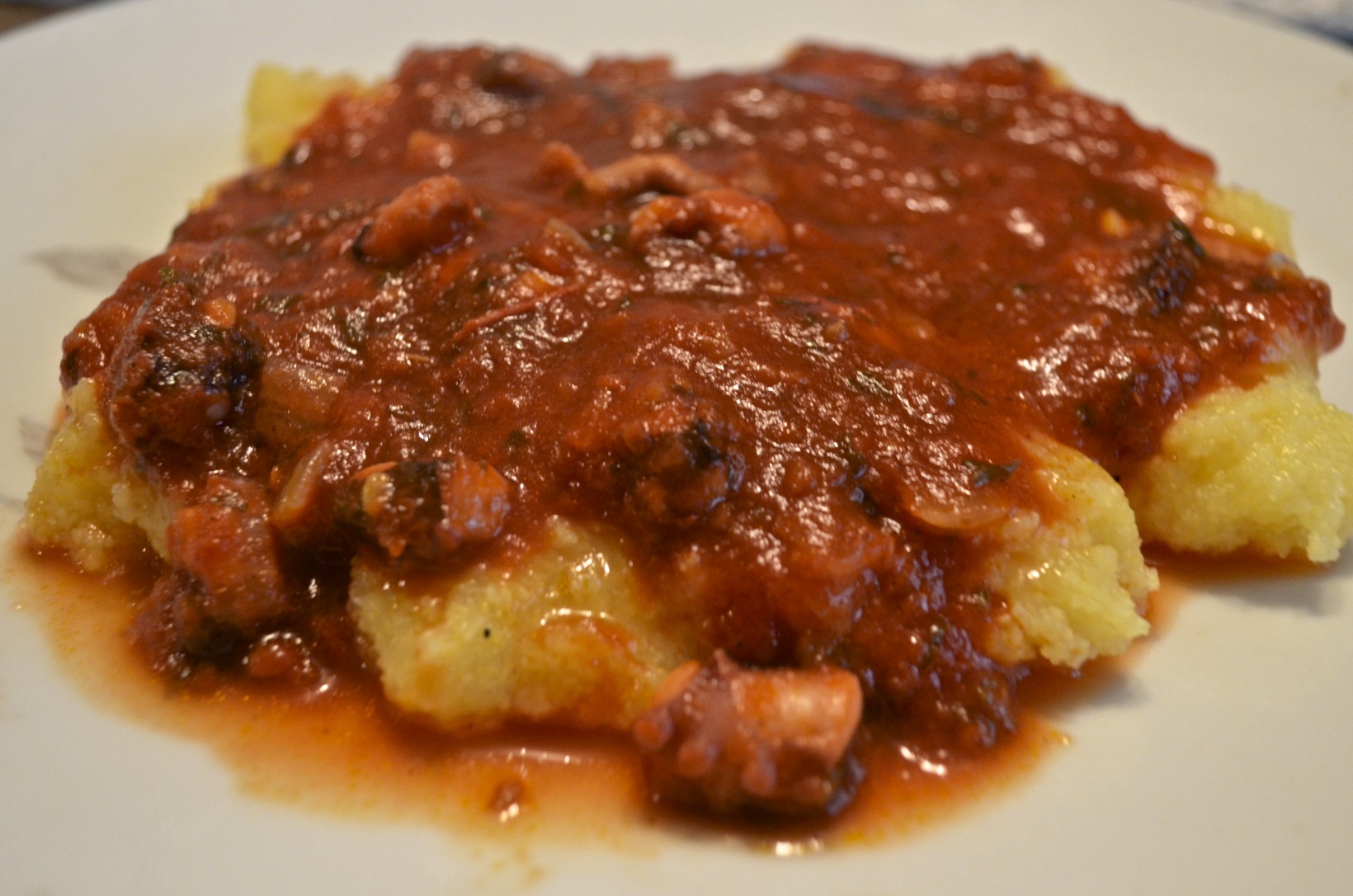
Octopus over Polenta

Octopus over Polenta

pieces are far too small for in umido presentation. In fact, Zia and I attempted to serve them over polenta and, though tasty, all but a few pieces were too small even for that. On the other end of the spectrum, the market sells frozen octopi that are 4 and 5 lbs. apiece. Though that would be wonderful to prepare for a Bartolini family dinner, an octopus that size is far too large for a meal for Zia and I. So, although we had to change the dish to suit the circumstances, the search is on now for an octopus weighing 1 pound. When I find one, I’ll either create a separate Polipo in Umido post or amend this one to include that recipe. Bear in mind, though, that the ingredients used in the in umido recipe are the same as those used here for this sauce. Differences, if there are any, will be in the amounts listed. I’ll only be sure of that once I find an octopus in the right size.

Since we couldn’t serve the octopus as we had originally intended, in umido, Zia and I served it over polenta. As I mentioned earlier, that dish didn’t quite work as well as we Bartolini Strangozzi Pastathought it would. Again the octopus pieces needed to be larger. Once home, I bought 3 more small octopi and decided to serve them over pasta. As luck would have it, a few weeks earlier my blogging friend, Lidia, had noticed something while shopping and sent her discovery to me. (Not only does she share the name of one of my favorite chefs, Lidia has a wonderful blog, Oh Lidia, and I hope you take time to have a look.) You can imagine my surprise when I opened the carton and found 3 pastas manufactured by a company called “Bartolini”. I can’t think of a better pasta to serve with this old family recipe than one that shares our family name. So, of the 3 sent, I chose to prepare strangozzi.

In an earlier post, I demonstrated how to make strozzapreti pasta and gave an account of how it got its name. (See It’s déjà vu all over again … ) Strozzapreti, you see, means priest choker and one legend states that this pasta was so delicious that priests choked when eating it for the first time. What does this have to do with strangozzi? Well, it is thought that the word strangozzi is derived from the Italian word for shoelaces, stringhe, yet this pasta has come to mean priest stranglers. Huh?  Stay with me. Centuries ago, in Umbria, the clergy was not looked upon kindly by the villagers. Legend says that they chased down the worst of the clergy and those that were caught were strangled with their shoelaces. These long pasta ribbons are thought to resemble those shoelaces. Death by shoelace immortalized in pasta. Ya gotta love it!

In reality, strangozzi are about the size of what we would call linguine, the only difference being in their thickness. Our linguine are cut from thin pasta sheets; strangozzi is cut from sheets twice as thick. The result is a hearty pasta that is perfect for heavier or meat-based sauces.

*     *     *

Before beginning the recipe, the octopus must be cleaned and readied. The head is actually a hood and the contents of its interior need to be removed. It is easy enough to do and you can slice its side to make it even easier. Next, the eyes must be removed. Make a small slice on either side of each eye, creating a small wedge. Remove each wedge and the eye with it. Since these octopi were so small, I sliced the octopus just above both eyes and again below, creating a ring. I then cut the eyes off of the ring. One last thing to be removed is the beak. Turning the octopus upside-down, you’ll notice a small whole at the center of the 8 legs. With your fingers, carefully feel the beak and note its size. With a sharp knife, cut around the beak and remove. Now that it’s cleaned, cut the legs section in half, creating 2 parts with 4 legs apiece. Cut those pieces in half again, and then again. In the end, you will have separated all 8 legs. Do not chop them but leave them whole and proceed with the recipe.

*     *     *

Click to see any/all photos enlarged.

*     *     *

Strangozzi Pasta with Octopus Recipe

Ingredients

  • octopus (See Notes)
  • 3 tbsp extra virgin olive oil
  • 1/4 tsp red pepper flakes (more or less to taste)
  • 1 small onion, diced
  • 2 cloves garlic, minced or grated
  • 1/3 cup chopped parsley
  • 1 large can, 28 oz (800 g), whole tomatoes – hand-torn
  • 1/2 tsp dried marjoram (2 tsp fresh)
  • 3 to 4 oz dry white wine
  • 1 lb  (450 g) cooked Strangozzi pasta — or whatever pasta you prefer — cooked al dente
  • reserved pasta water

Directions

  1. In a medium saucepan over med-high heat, bring to boil enough water to cover the octopus. Add the octopus and allow to simmer for 1 to 2 minutes after the pot returns to the boil. Small octopus should boil for 1 minute. Larger should be allowed to boil closer to 2 minutes. Remove the octopus and place in an ice bath to stop the cooking process and reserve. Once cooled, see Notes for chopping considerations.
  2. Over med-high heat, add olive oil in a medium sauce pan.
  3. Add red pepper flakes, onion, garlic, and parsley. Season with salt and pepper before sautéing until the onion is translucent and garlic fragrant — about 6 to 8 minutes.
  4. Add the tomatoes, wine, and marjoram, stir to combine. Bring to a boil before reducing to a soft simmer.
  5. After the sauce has thickened and darkened a bit — about 30 minutes — add the chopped octopus and continue to simmer.
  6. If using small octopi, it should be finished cooking in about 20 minutes. Taste a piece after 15 minutes to test for doneness and to check the seasoning. If necessary, add some of the reserved pasta water. (See Notes)
  7. Meanwhile, the pasta should have been cooked al dente and strained. Be sure to reserve some of the pasta water.
  8. In a large bowl or serving platter, combine the octopus sauce with the cooked pasta and mix. If the pasta seems too dry, add some of the reserved pasta water.
  9. Serve immediately.
  10. Like all mildly flavored seafood pastas, grated cheese is not recommended for it will overpower the dish.

*     *     *

*     *     *

Notes

The dish will determine the size of the pieces when chopping the octopus.

  • For pasta dishes, I would suggest chopping small octopi into pieces about 3/4 inches (2 cm). These pieces will shrink a little during cooking and will be easily managed no matter what pasta you choose.
  • For in umido, a larger octopus should be used and, when chopped, the pieces should be larger. Ultimately, the size will depend upon how comfortable you are dealing with the pieces while eating. Even so, I would suggest that all pieces be no less than an inch (2.5 cm) long. (Since this recipe was posted, I did find and prepare a 1 lb. octopus in umido. You can see that recipe by clicking HERE.)

No matter the preparation or the size of the pieces, do try to keep them all the same size. Doing so will ensure that all the octopus is evenly cooked.

Understandably, the larger the octopus, the longer it should simmer in the tomato sauce. A small octopus should take 15 to 20 minutes, as was stated in the recipe above. Larger octopi will take up to 30 minutes, maybe more. Be careful not to overcook lest the octopus become rubbery. If in doubt, taste a piece to see if it is cooked to your liking.

For reasons unknown to me, we’ve always discarded the water used to blanch the octopus. Even though the octopus is in it only briefly, the water does darken in color.

*     *     *

It’s déjà vu all over again …

Strozzapreti with Pesto

Strozzapreti with Pesto

With all of this talk of strangling priests, it’s only logical that today’s look back would be to the strozzapreti post. Not only will you learn how to make the pasta by hand, you’ll also learn how a few of the common pastas got their names. All this can be yours just by clicking HERE.

*     *     *

Coming soon to a monitor near you …

Damson Plum Jam Preview

Damson Plum Jam

*     *     *

Making A Beeline for Honey

Honey

By the time most of you read this, I will be well on my way to Michigan. It’s Honey Time in Zia’s neck of the woods and the Kitchens will be closed this week and next. Sorry for the short notice but the Honey Man is only open for business one weekend every year and once again my calendar comprehension skills failed me. Anyway, Zia and I will be buying a few gallons of honey, enough to keep our family and friends sweet for the next 12 months — we hope.

With no recipe to share, I thought I’d take this opportunity to introduce the newest member of my rose garden, a Floribunda Rose, Iceberg Burgundy.

*     *     *

Iceberg Burgundy

“Iceberg Burgundy”

*     *     *

Although it’s doing quite well since being planted in May, there’s a Chicago Winter looming in the distance. If it makes it through this first test, it should do very well after that. Like any new rose to my garden, it will get an extra thick layer of mulch this Fall and I’ll keep my fingers crossed until March.

See you all in 2 weeks.

*     *     *

The Bartolini Have Hit The Road!


Going for a Ride

If there’s one thing we Bartolini enjoy as much as a dish of pasta, it’s a good old-fashioned road trip. So, when one such opportunity presented itself, I shut down the Kitchens, packed up the car, and headed out — to Washington D.C.

Now, I just didn’t pick D.C. as a destination out of thin air. No, the Kitchens’ good buddy and fellow blogger, Jed, recently invited me to guest host at his blog, sports-glutton.com. There he leads a team of sportswriters that covers the world of sports, offering ego-free commentary and well-reasoned conclusions. With every post, each of these gentlemen offers true insight into his respective field of expertise. Sounds pretty good, huh? Yeah? Well, wait! There’s more.

Jed and his wife, Liz, share recipes that are sure to appeal to the latent glutton in each of us. From appetizers to desserts, and all dishes in-between, these two know their way around a stove — and campfire.  And just when you think sports-glutton.com couldn’t get any better, Thursday arrives. That’s the day that Jed reviews, one bottle at a time, a wide variety of beer and wine. Whether you’re in the mood for a Japanese ale or a Chilean Pinot Noir, not to mention a Wyoming micro brew or whiskey from Utah, this is the place to check before you go shopping for spirits.  Drat! I’ve gotten ahead of myself. You see, every Monday Jed starts off the week with a bit of humor. Think of it as you would a refreshing sorbet, preparing you for his posts to come.

How’s that for a blog? There’s quite literally something for everyone.

So, as you can well imagine, when asked to take part in his  MLB Recipe Series, I could hardly refuse the honor and jumped at the chance. Now, for the uninformed, every Wednesday of the Major League Baseball season, Jed celebrates a different team by offering a recipe that, in some way, is connected to that team. Being a Cubs fan, I contributed my recipe for Jack Brickhouse Chicken, for reasons that will become clear when you follow me to Jed’s place by clicking here to read my guest post. Once you’ve checked out my recipe, be sure to take a look around. You’re sure to find something of interest.

Thanks, Jed, for the honor of participating in your series, allowing me to share a recipe commemorating our Cubs. One of these years …

*     *     *

Regular programming will resume at the Bartolini Kitchens next week, once I figure out a way to explain to Max that we’re not really going anywhere.

Coming soon to a monitor near you …

Asparagus Ravioli made with Duck Egg Pasta

*     *     *

What I did on my Spring Vacation. (The short answer: I ate.)

Formal introductions are forthcoming

*     *     *

Home again! 

After an all-too-brief visit, Lucy, Max, and I returned home to find things not quite the way we left them. (More about that later.) My time spent with Zia was wonderful, though the weather, much like that area’s like the internet service, wasn’t at all cooperative. One had me wishing I’d brought my Winter coat and the other had me seriously considering driving the 30 miles to get access to free WiFi at the nearest McDonald’s. As a result, there were no walks on the beach with Max and I only showed Zia a couple of your blog posts. I couldn’t get them to load on my iPad and this was the first time I brought my iPhone to Michigan. My experience with WP on the device is really quite limited. Even so, I wouldn’t necessarily consider an iPhone’s displays “Zia friendly” and I did much of my reading alone. And before anyone thinks I’m picking on my Cara Zia, I wouldn’t call the displays “John friendly” either. You should have seen me trying to “Pin” or “Like” one of your posts. (I don’t know how you do it, Eva!)

You may be wondering, with it cold and damp when it wasn’t flat-out raining, what does one do in rural Michigan? Well, I can’t speak for others but we cooked … and we cooked … and we cooked again. True, I did take my daily walk looking for morel mushrooms and ramps but returned home empty-handed each time. (Not to worry, I came prepared.) So, with several great meals prepared and, as the title suggests, devoured, I thought I’d share a couple of the recipes today, with a promise to post the rest in the weeks to come.

*     *     *

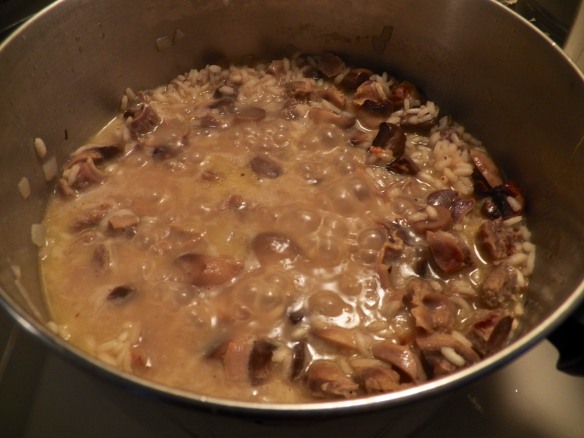
I can count on two things whenever I arrive at Zia’s home. Once I’ve unpacked the car, there will be a Manhattan waiting for me. (Zia is the original “Hostess with the Mostest”.) With my thirst quaffed, Zia will then get to work on the traditional Bartolini risotto.

*     *     *
*     *     *

Made with fresh mushrooms and chicken gizzards, this dish has long been a family favorite. In fact, there were relatives that traveled hundreds of miles and, upon each and every arrival, asked for a risotto dinner. Of course, not everyone likes chicken gizzards, so, just tell them that the offending bits are nothing but a few dried mushrooms. More about that, and the risotto recipe, will be shared in a future post.

*     *     *

Although most lunches were simple sandwiches made with the Italian lunch meats and bread I brought with me, there were 2 notable exceptions. On Sunday, like always, we had brunch after Mass with a few of Zia’s neighbors and fellow choir members. (Yes, Zia is a member of her church’s choir.) The 2nd time was when I prepared Asparagus in the style of Milan, Asparagi alla Milanese.

*     *     *

*     *     *

There will be no future recipe for this dish because it is so very simple to prepare. Season fresh asparagus spears with salt, pepper, and a bit of olive oil. Place the spears on a heated barbecue, hot grill pan, or baking sheet that’s placed in a hot (425˚ F, 218˚ C) oven. Meanwhile, fry an egg or two per serving and season with salt & pepper. If, like us, you like your yolks runny, the eggs should be prepared sunny-side up or over easy. And that’s it. When both the asparagus and eggs are cooked to your liking, arrange a serving of asparagus spears on a dinner plate, place the eggs on top, and, if you like, garnish with a bit of grated Pecorino Romano or Parmigiano Reggiano cheese. It couldn’t be easier but it sure is a great tasting light lunch or fantastic primo piatto.

*     *     *

Now, we just didn’t spend all of our time eating lunch. We did work for our suppers, too. In fact, Zia’s pasta board got quite a bit of use over the course of my visit. One day, we made ravioli and linguine.

*     *     *

*     *     *

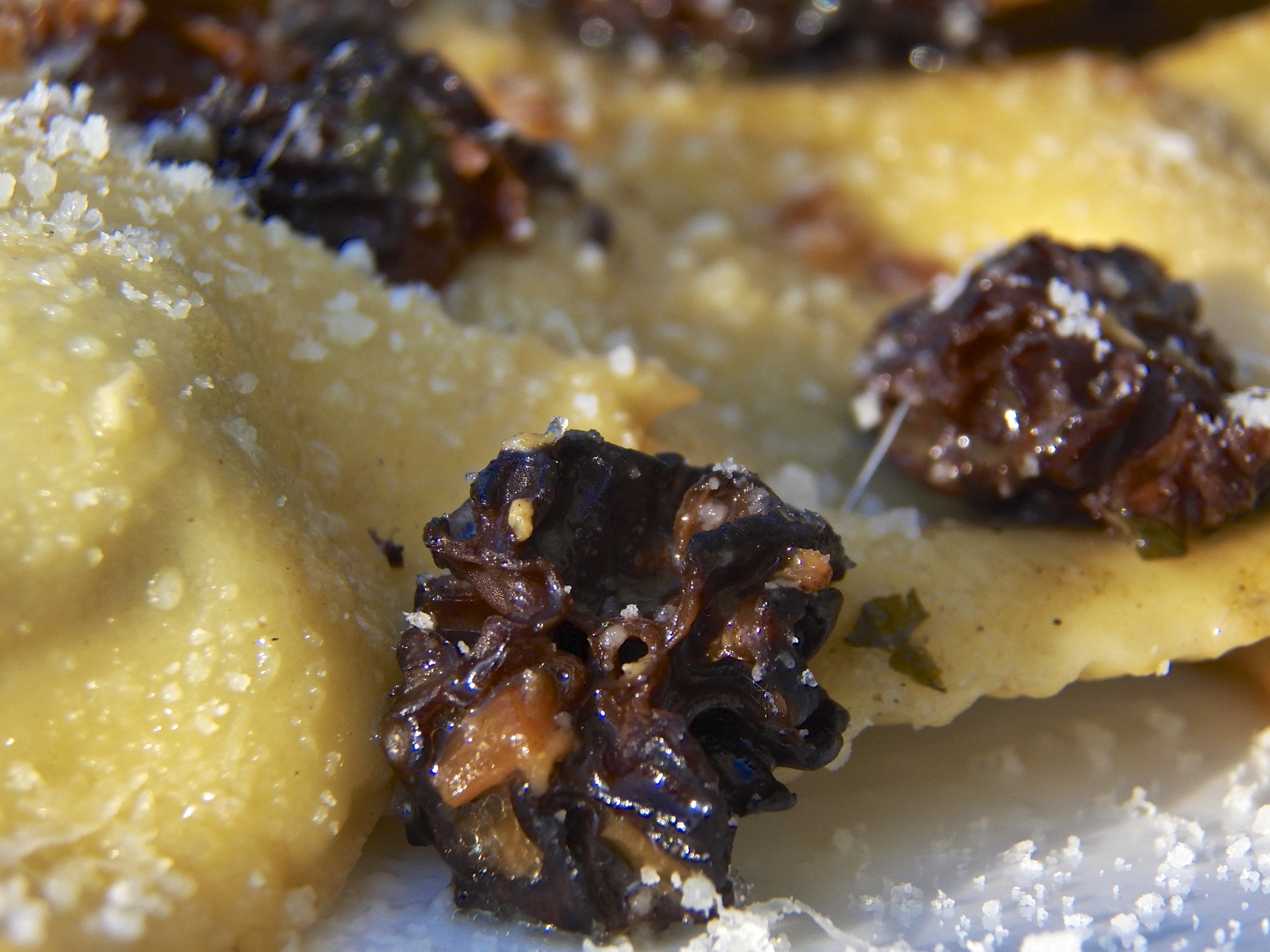
Using a filling of ramps, fresh spinach, and goat’s cheese, Zia and I spent the afternoon making pasta pillows. That night, we feasted on these very same ravioli, prepared with morel mushrooms in a white wine sauce.

*     *     *

*     *     *

Those recipes will be coming your way.

*     *     *

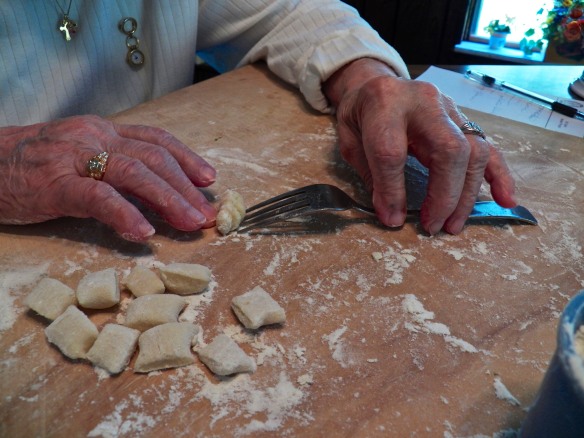
Another day brought out the pasta board again and we spent the afternoon making gnocchi.

*     *     *
*     *     *

That night’s dinner was probably the best of my entire visit. Our primo piatto was gnocchi dressed in a rich gorgonzola cream sauce.

*     *     *

*     *     *

That night’s secondo was grilled rack of Spring lamb, while contorni of grilled asparagus and a tossed salad rounded out the meal.

*     *     *

*     *     *

Later that night, I surprised Zia with cannoli that I’d brought from my Italian market. Recipes for the gnocchi, gorgonzola cream sauce, and lamb will soon be posted, too.

*     *     *

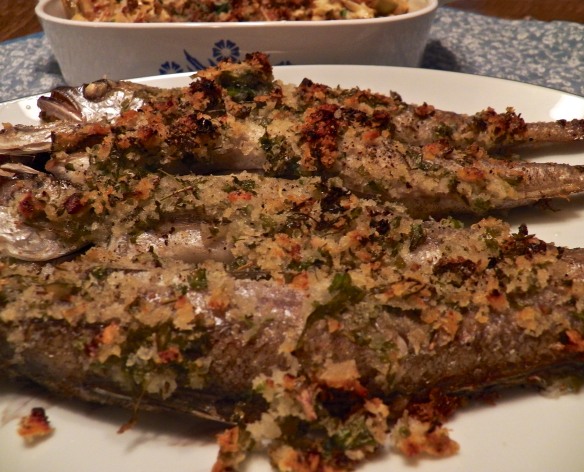
Lastly, I could hardly go home for a visit without bringing something from the fish monger. This visit I brought whiting, merluzzo, with me.

*     *     *
*     *     *

Rather than risk ruining them on a grill with which I’ve had little experience, these little fishies were prepared with the Bartolini breading mixture and baked, with excess breading mixture placed on the baking sheet, roasted, and used to garnish a platter of hand-cut linguine aglio e olio with baby artichokes, spinach, and ramps. The merluzzo recipe was already shared HERE

*     *     *

*     *     *

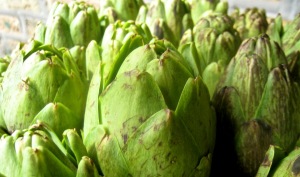
To make the pasta dish, place 1/3 cup olive oil in a hot pan over med-high heat. Add red pepper flakes, to taste, along with chopped ramps. Sauté till ramps are soft, add 2 to 4 bulbs of diced Spring or new garlic, and continue cooking for another minute. Add the trimmed and quartered fresh artichokes, a half cup of white wine, bring to a boil, and reduce to a soft simmer. Allow the artichokes to braise until soft and the sauce has reduced, about 15 minutes. Meanwhile, cook pasta until two minutes shy of package directions or, if using fresh, until the pasta is a bit firmer to the bite than your prefer. Reserve a cup of the pasta water, drain the pasta, and add to the frying pan along with  a handful or two of fresh spinach. Toss to coat the pasta and continue to sauté the pan’s contents until the pasta is cooked to your liking, adding pasta water as needed to maintain the sauce. To serve, garnish with breading mixture that remains on the baking sheet that was used to roast the merluzzo. Of course, if merluzzo isn’t on that night’s menu, your pasta may be garnished with grated cheese or bread crumbs toasted in a bit of olive oil.

*     *     *

So, there you have it. We cooked, we chatted, we worked out the kinks in a recipe or two, and we spent a very nice time together. And, best of all, there are recipes to share for anyone that’s interested. Would that I could end this post here and now but, alas, there’s a bit more to tell.

Late on the night of my arrival in Michigan, I received a telephone call telling me of some storm damage at my home. Thankfully no one was hurt and there wasn’t any structural damage. Since a picture is worth a thousand words and our friend Celi has challenged us all to post a view from our back porches, here’s mine.

*     *     *
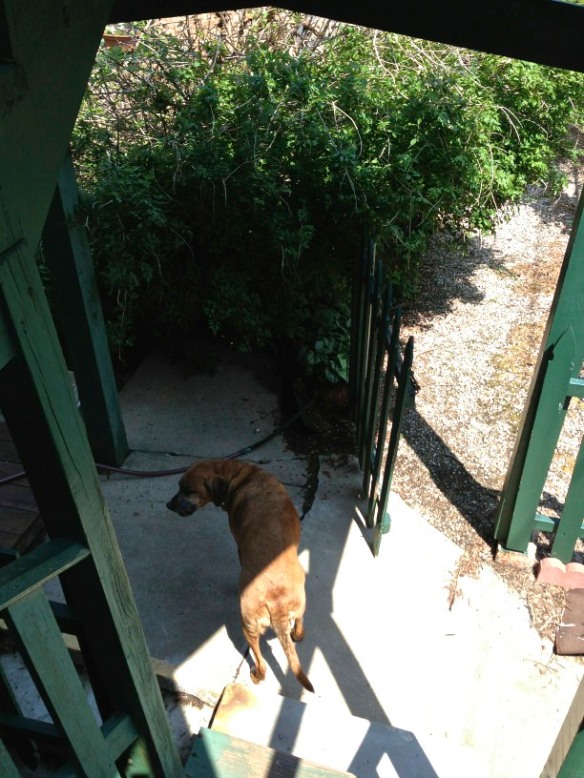
"This is as close to indoor plumbing as I'm ever going to get!"

With the exception of a potted palm that died under the most suspicious of circumstances in the living room, this is about as close to indoor plumbing as Max will ever get.

*     *     *

That green thing is not some prop from a 50’s sci-fi thriller. It’s a trumpet vine that the wind knocked down, blocking the path to the garage and alley, not to mention landing atop a few roses. (Hopefully the dog run’s fence took the brunt of the force from the falling vine.) Here’s the view from the porch landing above.

*     *     *
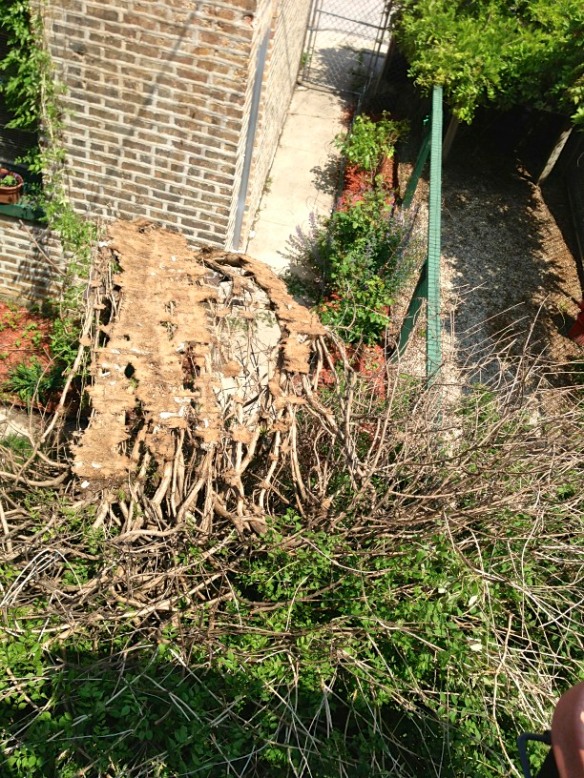
Believe it or not, buried within that tangled mess are the remnants of a wooden trellis.

*     *     *

As you can see, mine is a typical city yard here in Chicago, made even smaller because of the 2 car garage and dog run … um … and the now-fallen vine. As of this writing, I’m waiting to hear from a few landscapers for bids to remove the vine and haul it away. On the plus side, once it’s removed, there’ll be space for a clematis vine and another rose.

The Kitchens are open again, with a new recipe, Baked Haddock, coming this Wednesday.

*     *     *

I Hear a Symphony

*     *     *

It’s not a holiday without music.

You can’t have music without a band.

Lucky for you, today we have both.

Happy St. Joseph’s Feast Day!

Weekly Photo Challenge: My 2012 in Pictures

I will admit to being more than a bit surprised when my blogging friend, Ruth, suggested I take part in the WP Weekly Photo Challenge: My 2012 in Pictures. It’s a testament to her skills for persuasion that I’ve actually decided to take part, flu and all.

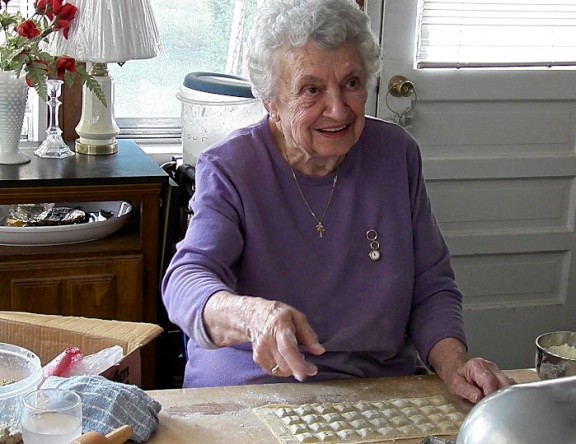
Here are 12 photos that I’ve shared this past year. Because the recipes of Mom and her Sister, my “Zia”, form the heart of my blog, it is only right that I begin with a photo of Zia, in her element, not long before her 90th birthday. With Zia to open the collection, who better to close than my Marilyn Monroe?

Thank you, Ruth, for the suggestion and encouragement. For those interested in seeing how this challenge should be met, click HERE to see Ruth’s response.

Click HERE to view the Challenge and its participants.

*     *     *
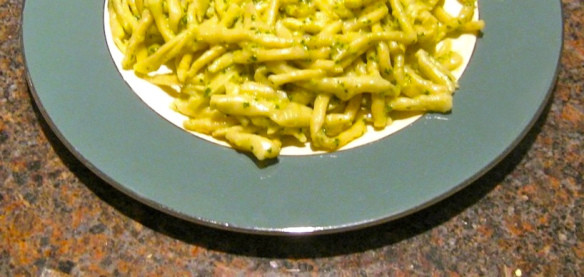
Click to enlarge each individual photo.

*     *     *

Ravioli Day with Zia

Ravioli Day with Zia

Homemade Mozzarella

Homemade Mozzarella

Paglia e Fieno Ingredients

Paglia e Fieno Ingredients

The Ponte Vecchio of Florence

The Ponte Vecchio of Florence

Crocuses on St. Joseph's

Crocuses on St. Joseph’s

Caprese Cocktails

Baby Artichokes

Michigan Peaches

The Stuff of Jams

The Case for Figs

The Case for Figs

Our Day at the Beach

"Marilyn Monroe", Hybrid Tea Rose

“Marilyn Monroe”, Hybrid Tea Rose

*     *     *

We will return to our normally scheduled programming on Wednesday.

*     *     *