Spaghetti Aglio e Olio

Of all the pasta dishes one might make, spaghetti aglio e olio (spaghetti with garlic & oil) is, by far, the easiest to prepare. Ready in minutes, at its most basic, there are but 3 ingredients to this dish: pasta, garlic, and olive oil. That’s it. Now, understandably, there are many variations to the dish, the most common involve adding grated cheese (romano or parmesan)  and/or chopped red pepperoncini or pepper flakes. I am firmly planted on the side of those who love their pasta aglio e olio served with a few red pepper flakes and a good dusting of grated cheese. Still, even after adding these 2 ingredients, you can see that this is a most uncomplicated dish.

As a young adult still living at the old two-flat, I’d come home after a night out with the boys and, while they were in a drive-thru waiting for their sack o’ sliders, I was already fixing myself a plate of aglio e olio. One of those nights, as I was eating, Zia’s husband, “Uncle,” came down the back stairs to see what I was cooking. After a brief chat, he went back upstairs. A week or two later, the same thing happened but, this time, he mentioned how quickly I had prepared the dish. Realizing the implication, I was ready for him the next time. A couple of weeks later, after a night spent carousing with friends, I set about to make my late night dinner, only this time I slowed things down a bit. Sure enough, Uncle appeared but this time I was just about to add the pasta to the boiling water (butta giù in our house’s parlance). I added enough spaghetti for two and within minutes we were enjoying a late night snack together. We “dined together” several times after that and I always knew that if he didn’t appear by the time I was ready to butta giù, I would be dining alone. To this day, I cannot have a dish of pasta aglio e olio without thinking of those late night dinners together.

Throughout the years, this simple dish has continued to serve me well. After a 10 hour day at the office, I would arrive home and prepare a plate of aglio e olio within minutes. On those days/nights that I tended bar, a dish of this pasta officially marked the end of my day. Even now, if I don’t feel like cooking, I can whip up a batch of spaghetti aglio e olio in a fraction of the time it would take to have a dinner delivered. And I still find it every bit as satisfying as I did those many years ago, although, admittedly, Max is hardly the conversationalist that Uncle was.

*     *     *

Spaghetti Aglio e Olio Recipe 

Ingredients

  • 1 lb spaghetti (cappellini, spaghettini, linguine, or trenette may be used)
  • 1/2 cup extra virgin olive oil
  • 3 – 6 cloves of garlic, diced
  • 1/2 to 1 tsp red pepper flakes or 1 red peperoncino, diced (optional)
  • 1/2 cup grated cheese, separated – romano or parmesan may be used (optional)
  • reserved pasta water
  • chopped parsley, for garnish (optional)
  • grated cheese for serving (optional)

*     *     *

*     *     *

Directions

  1. Bring a large pot of heavily salted water to boil. Add the spaghetti and stir.
  2. Check the spaghetti package’s cooking instructions. About 3 minutes before the spaghetti is supposed to be cooked al dente, begin heating the oil in a deep frying pan. Add the pepper flakes (or peperoncino) & garlic and sauté until the edges of the garlic just begin to turn brown, no more than 2 minutes. Do not allow the garlic to brown completely or, worse yet, to burn. Your pasta should be ready about now.
  3. Reserve 1 cup of the pasta water, strain the pasta, add it to the frying pan, and stir to combine and to coat the pasta.
  4. Add a few ounces of the reserved pasta water to the pan with the pasta, more as needed. Allow the pasta to finish cooking, to your liking.
  5. Before serving, take the pan off of the heat, add all but 2 tbsp of the cheese,  and mix until well coated. Garnish with parsley & the remaining cheese. Serve immediately.

*     *     *

Variations

Since the recipe just presented already modified the original dish to include grated cheese and red pepper flakes, why stop there? About a year ago, I realized that I hadn’t any cheese — Gasp! — after I had already added my pasta to the pot of boiling water. Remembering what I’d seen on a number of cooking shows, I quickly tossed some bread crumbs into a frying pan, added the parsley that was to have been a garnish, and toasted the combination. When my pasta was ready to be served, I topped it off with the toasted bread crumbs — and I’ve done it many times since, sometimes with cheese, sometimes without. As it turns out, using bread crumbs in place of cheese is a Sicilian custom, as Ambrosiana recently verified. (Speaking of Ambrosiana, be sure to check out her blog, Tales of Ambrosia. Not only will you find great recipes & dishes, beautifully photographed, but you’ll be treated to scenes of an Italy that the tour books have yet to discover.)

*     *     *

A Zucchini for Your Penne

For the last 10 weeks, or so, my weekends have begun with an early Saturday morning trip to the Evanston Farmers Market. (Sunday mornings are reserved for the Skokie Market.) Granted, my purchases have changed now that Summer is ending but one vegetable I rarely go home without is fresh zucchini. Whether I serve it within Mom’s caponata, stuffed like Grandma’s eggplant, sautéed with onion in olive oil, or served with pasta, a week doesn’t go by without zucchini making at least one appearance at my dinner table. So, when I recently watched Jamie Oliver prep zucchini and yellow squash for a penne dish, I sat up and took notice.

Normally when I prepare these 2 vegetables for my pasta dish, I either cut them into quarter-inch disks or shred them with my food processor. Jamie took them and, with a few simple cuts, fashioned them into penne look-alikes, and then prepared them carbonara-style. You can see his recipe here. I, however, prefer my carbonara cooked the more traditional way, so, I’ve chosen to cook these aglio e olio, with garlic and oil. (Coming soon: the recipe for spaghetti aglio e olio.) You may have a favorite way of fixing zucchini with pasta and I see no reason for you to change now. This post isn’t so much about how to cook the zucchini as it is how to prepare it. Even so, I’ve included general guidelines that I followed when I cooked the dish.

To begin, I selected 2 zucchini and 2 summer squash, each about 6 inches long, to be cooked with 1/2 pound of penne. You can easily see how you can increase or decrease the ratio of vegetables to pasta according to you own preference. Once that was decided, I started preparing the veggies as pictured below. Briefly stated, cut them into quarters; trim away the seed-filled center; and cut, diagonally, into penne-sized strips.

Clever, no? Anyway, to cook, add penne pasta to a pot of salted, boiling water. The package instructions for the penne I used stated the penne would be ready in 13 minutes. As a result, I planned to drain the pasta after cooking for about 10 minutes. So, once the penne is in the water and it has returned to the boil, start the clock. At the 5 minute mark, add about 3 tbsp extra virgin olive oil into a deep frying pan over medium-high heat. Once hot, add 1 or 2 minced cloves of garlic and sauté for about 30 seconds. Add the zucchini and yellow squash, season with salt & pepper, and continue to sauté until the 10 minute mark. Reserve some of the pasta water, drain the pasta, and add the pasta to the pan with the vegetables. Continue to sauté until the pasta is cooked to your liking. Add some of the reserved pasta water, if needed. When cooked al dente, remove from heat and mix in 1/4 cup grated parmesan cheese. Serve immediately, garnished with more cheese and chopped fresh parsley.

As I’ve mentioned, the point here is the preparation of the zucchini and summer squash. If aglio e olio isn’t for you, this dish could just as easily be prepared with a cream or marinara sauce, instead. For the latter, I would sauté the zucchini and summer squash in a little butter, timing them so that they’d be cooked to my liking when the penne is cooked al dente.  Mix the vegetables with the cooked penne and dress both with the marinara. Garnish with a little grated cheese and some chopped parsley before serving immediately.

*     *     *

Chicken gizzards? No way!

Admittedly, dishes featuring chicken gizzards are a hard sell and some of you will go no further than the picture above (Just click HERE, Cynthia.) and that’s fine.  Believe me, the majority of my family will be going with you. Since this blog was conceived as a means of recording and sharing my family’s recipes, however, I’d be remiss if I failed to mention these two. Who knows? Some future Bartolini Clan member may wish to know how to cook chicken gizzards and they won’t need to look any further than right here.

Mom and Zia were little girls when the Great Depression struck and our family, like so many others, was hit hard. By all accounts, these were lean times and our Grandparents struggled to put food on the table and keep a roof over their heads. Both Bartolini Girls marvel(ed) at how Grandma could make a single chicken last a full week, feeding a family of four in the process. Well, that’s when she could get a chicken. Both of today’s recipes come from that time. Mom often served us the first, a side dish of peas with gizzards, when I was growing up. No need to explain why it wasn’t an especially popular dish with my siblings. The second is a pasta dish that I “created” on my own. I remember telling Mom about it and, somewhat surprised, she recalled that Grandma used to make the same dish. Zia has mentioned that, as well. Since neither had ever mentioned or served me this pasta, I think it’s a sign that Grandma wants this dish prepared and, by sharing it here, I’m just doing my part to see that her wish is carried out.

I can’t speak of packaging during the Depression but, in today’s markets, one can usually find chicken gizzards and hearts sold together in 1 pound containers. Once cleaned and trimmed, I’ll divide them, with a quarter being reserved for the peas dish and the rest for pasta. One of the 2 portions will be set aside, even frozen, for later use. Cooking these meats can be a little tricky. To brown them like one would, say, beef chunks for stew, will render them nearly inedible. That shouldn’t be a problem if you follow the steps outlined in the recipes that follow.

*     *     *

Peas alla Nonna Recipe (aka Chicken Gizzards with Peas)

Ingredients

  • 5 or 6 oz chicken gizzards & hearts, cleaned and trimmed
  • 1/2 small onion, divided in halves
  • water
  • 1 tbsp olive oil
  • 2 tbsp butter
  • 1 plum tomato, chopped
  • 2 cups frozen or fresh peas
  • pinch of cloves
  • salt and pepper, to taste

Directions

  1. Place gizzards, half of the onion, and enough lightly salted water to cover into a medium saucepan, Cover, bring to a boil over med-high heat, and reduce to a soft simmer. Cook for 1 hour, checking periodically to ensure enough water remains. At the end of an hour, pour the pan’s contents through a strainer, discarding the onion and stewing liquid.
  2. Slice the remaining onion portion and roughly chop the stewed meat.
  3. In the same pan, heat oil and butter over medium high heat. Return gizzards to the pan, along with the sliced onion, and sauté until the onion is soft and translucent.
  4. Add tomato and sauté for a minute before adding peas, cloves, and a few tbsp of water to the pan. Season with salt and pepper, cover, and cook about 5 minutes or until peas are done to you liking.
  5. Serve immediately.

*     *     *

Pasta with Chicken Gizzards Recipe

Ingredients

  • 12 – 16 oz chicken gizzards & hearts, cleaned & trimmed
  • 2 tbsp extra virgin olive oil
  • 1/2 onion, chopped
  • 3 cloves garlic, minced
  • 1/2 cup dry white wine
  • 2 to 3 tbsp tomato paste
  • 1 large (28 oz) can tomatoes, whole or diced
  • 3 tbsp fresh parsley, chopped
  • 1 lb pasta, cooked to not quite al dente
  • grated parmesan cheese
  • salt and pepper, to taste

Directions

  1. Heat oil in a deep skillet over medium heat. Add gizzards and cook for 5 minutes. Do not allow to burn.
  2. Add onion, season with salt and pepper, and cook until translucent.
  3. Add garlic and sauté for 1 minute before adding the wine. Cook until almost all the wine has evaporated.
  4. Add the tomato paste and sauté for 1 to 2 minutes. Add parsley and tomatoes. If using whole tomatoes, tear them apart before adding to the pan. Season with salt and pepper.
  5. Bring to a boil, cover partially, and reduce to a soft simmer.
  6. The sauce should cook for 45 minutes. Check the pasta’s package directions and time its cooking so that the pasta is about 2 minutes shy of being al dente when the sauce is ready.
  7. Reserve some of the pasta water before adding the pasta to the frying pan. Mix well and continue cooking until the pasta is done to your liking. Add some of the reserved pasta water to the pan if the pasta becomes dry during this last step of the cooking process.
  8. Serve immediately, garnished with the grated parmesan cheese.

*     *     *

Notes

And so ends our treatment of chicken gizzards and hearts. Oh, don’t you worry. We’ll be coming back to these ingredients when the Bartolini Family Risotto recipe is shared. That won’t be for a while, however, so, all you chickens out there can rest easy. Your giblets are safe — for now.

*     *     *

Pasta with Shrimp

Having just returned from a visit with Zia, I decided I had better jot down this recipe while it was still fresh in my mind. This is one of those dishes that I never really think about while I’m preparing it. It just kinda happens. Besides, this wasn’t even the dinner I had planned.

I had intended all along to make  Trenette al Salmone for Zia during my visit. I should have brought smoked salmon with me but I was sure that I could get some in her area’s stores. Well, guess again. I went to her local groceries — “local” meaning 15 and 25 miles away, respectively, in opposite directions — and neither had smoked salmon. One of the stores happened to be running a special on large shrimp (25 – 30-ct), so I bought some and, under her watchful eye, I prepared dinner for us that night.

Like the smoked salmon dish, this is an easy meal to prepare. I prefer to use large, raw shrimp that are peeled, cleaned, and with tails removed. I cut them in half because they are otherwise too large to be eaten with pasta in a single bite, not to mention the larger the shrimp, the fewer to clean and prep. Where this dish differs from that of the smoked salmon, however, is that shrimp have a strong enough flavor that they won’t be overpowered by diced onion and garlic in the sauce. But for the onion and garlic, the same basic cream sauce is used in both dishes and neither uses cheese, as well. Remember, Italian recipes rarely, if ever, use cheese when seafood is a primary ingredient.

*     *     *

Pasta with Shrimp Recipe

Ingredients

  • 1/4 cup (1/2 stick) butter
  • 1 medium onion, chopped fine
  • 2 cloves garlic, minced
  • 1 cup heavy cream
  • 1 lb large (25 – 30 ct) shrimp, cleaned, peeled, tails removed, cut in half
  • 1 lb cooked thin spaghetti
  • 3 tbsp fresh parsley, chopped, separated
  • salt & ground white pepper, to taste
  • reserved pasta water

*     *     *

*     *     *

Directions

  1. Melt butter in a large, deep frying pan over med-high heat.
  2. Add onion and sauté until soft, about 3 minutes.
  3. Add garlic and continue sautéing for another minute.
  4. Add shrimp and sautéing for about 2 minutes. Shrimp should not be thoroughly cooked at this point.
  5. Add the cream and allow shrimp to finish cooking as the cream reduces slightly, about 2 – 3 minutes.
  6. Season with 2 tbsp of the parsley before adding the cooked spaghetti to the pan. Mix until the pasta is well-coated. If necessary, add a little of the reserved pasta water. Taste the dish and season with salt & pepper.
  7. Garnish with remaining tbsp of parsley and serve immediately.

Variations

You will find that different pastas, be they fresh or dried, absorb sauces at different rates. Reserving some of the starchy pasta water will help you deal with a “thirsty” batch of noodles or a sauce that was simmered too strongly and is a little dry. Not only that but the water, being starchy, can be used as somewhat of a thickening agent. Just bear in mind that the water is heavily salted, so, go easy on the salt until after you’ve added the pasta water.

*     *     *

Pasta alla Norma

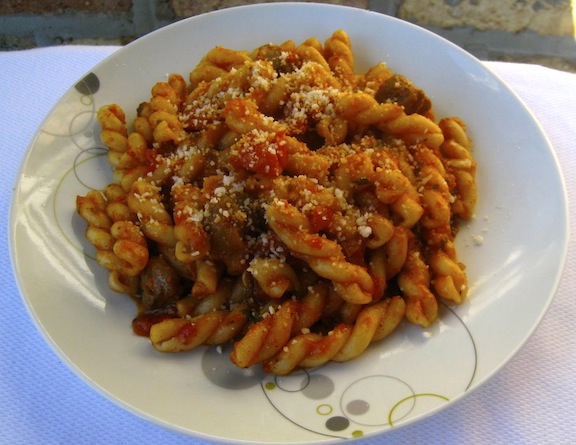
The Italians love eggplant and no place is it better celebrated than in Sicily. For proof of that, one need look no further than today’s recipe, Pasta alla Norma. Named in honor of Bellini’s masterwork “Norma,” eggplant takes center stage in this recipe and the resulting dish, like its operatic inspiration, is sublime.

*     *     *

Campanelle alla Norma

*     *     *

Eggplant was no stranger to our table growing up. Mom often served them halved, topped with bread crumbs, and baked. Sometimes she cut them into discs before breading and frying them. Still other times, she cut them lengthwise to make planks, layering them with cheese and sauce to make a lasagna-like dish. Of course, like most Italian households, she also used eggplant to make her caponata. Comparing the two, caponata is actually more complicated than Pasta alla Norma. Whereas caponata consists of chopped eggplant and a variety of vegetables, Pasta alla Norma’s sauce is a product of just eggplant and marinara sauce. It’s hardly a difficult recipe to follow but it sure is a delicious way to dress a dish of pasta. And with our vegetable stands and markets just beginning to  display this season’s bounty, there’s no better time to try this little taste o’ Sicily.

The recipe calls for 1 to 1 1/2 lbs. of eggplant. Rather than buy one large eggplant, I’ll buy 2 or 3 medium-sized ones. The larger the eggplant, the more seeds it will have and the more bitter it will be. The recipe, also, states that the eggplant should be cut into 1/2 cubes before being salted. You may find it easier to cut the eggplants into 1/2 inch slices and, after salting and rinsing, cut the slices into cubes. If you use small or “baby” eggplants, you needn’t cut them into cubes at all, but leave the slices as-is. The choice is yours.

*     *     *

Pasta alla Norma Recipe

Ingredients

Norma's Notes

  • 2 tbsp olive oil, more as needed
  • 2 – 3 small/medium eggplants (1 – 1 1/2 lb total), cut into 1/2 inch cubes
  • 2 – 3 tsp kosher salt
  • 1/4 to 1/2 tsp red pepper flakes, more to taste (optional)
  • 1 medium onion, chopped
  • 3 cloves garlic, minced
  • 2 – 3 tbsp tomato paste
  • 1 large (28 oz.) can tomatoes, whole or diced
  • 2 tbsp fresh parsley, chopped.
  • 2 – 3 tsp Italian seasoning
  • 2 tbsp fresh basil, chopped
  • salt & pepper, to taste
  • 1 lb pasta, i.e., rigatoni, penne, campanelle
  • reserved pasta water
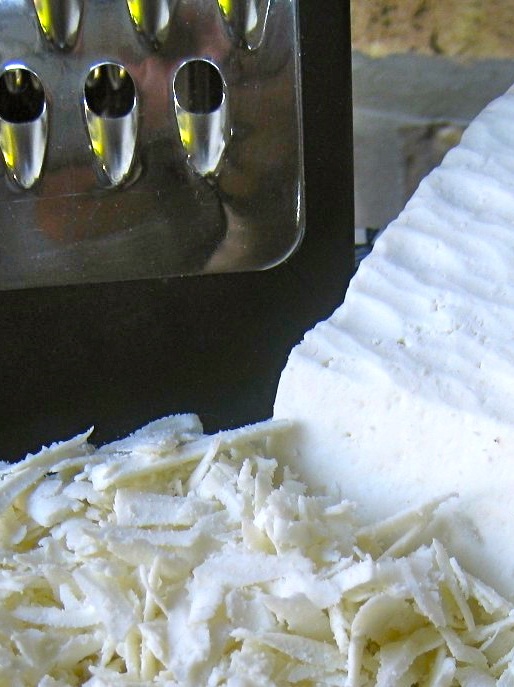
  • 1/2 cup grated ricotta salata, reserving 2 – 3 tbsp

Directions

  1. Cut each eggplant into 1/2 inch cubes. Place 1/3 of the cubes in a colander and sprinkle with 1/3 of the salt. Add another third of the eggplant and sprinkle with another third of salt. Place the remaining 1/3 of the eggplant cubes in the colander and sprinkle with the last of the salt before carefully mixing the colander’s contents. Allow excess water to drain for 15 – 30 minutes. Give the colander & eggplant a quick rinse of tap water. Dump the rinsed eggplant onto a paper towel-lined baking sheet and use more paper towels to pat dry.
  2. Heat oil in a large, deep skillet over med-high heat.
  3. Begin sautéing the eggplant cubes. Do not overcrowd and work in batches, if necessary. Continue cooking until all cubes are lightly colored, adding more olive oil as needed. Remove cooked cubes and reserve for later.

    Grate Cheese

  4. If needed, add 2 tbsp olive oil and heat. If using the pepper flakes, add them now and cook for one minute.
  5. Add onion and sauté until soft, about 5 minutes.
  6. Season lightly with salt & pepper, add the garlic, and continue sautéing for another minute.
  7. Add tomato paste, stir well, and continue cooking for a minute or so.
  8. Add tomatoes. If using whole tomatoes, tear them into pieces before adding to the pan.
  9. Add the Italian seasoning & parsley, return the eggplant to the pan, and stir to combine everything. Once the sauce begins to boil, reduce the reduce heat to a simmer.
  10. The sauce will cook for 30 minutes. Check the pasta’s package directions and time its cooking so that the pasta is about 2 minutes shy of being al dente when the sauce is ready.
  11. Reserve some of the pasta water before adding the basil and the not quite al dente pasta to the frying pan. Mix well and continue cooking until the pasta is done to your liking. Add some of the reserved pasta water to the pan if the pasta becomes dry during this last step of the cooking process.
  12. Just before serving, add most of the ricotta salata and mix well. Check for seasoning and add salt & pepper, if needed.
  13. Serve immediately, garnished with the reserved 2 – 3 tbsp ricotta salata.

Variations

Like I said, it’s is a simple dish with relatively few ingredients and, as such, there’s little room for variations other than the pasta selection and the cheese. For the pasta, I prefer to serve this sauce with pastas like penne, rigatoni, or campanelle (little bells) and not any of the ribbon-like pastas. As for the cheese, if I have ricotta salata, that’s great. If I don’t have any,  I’ll substitute some crumbled feta or, if all else fails, some grated parmesan cheese. I’ve even used some grated fresh mozzarella, so, I wouldn’t let the absence of ricotta salata prevent you from enjoying this dish.

*     *     *

Pasta with Clams (“Red Sauce”)

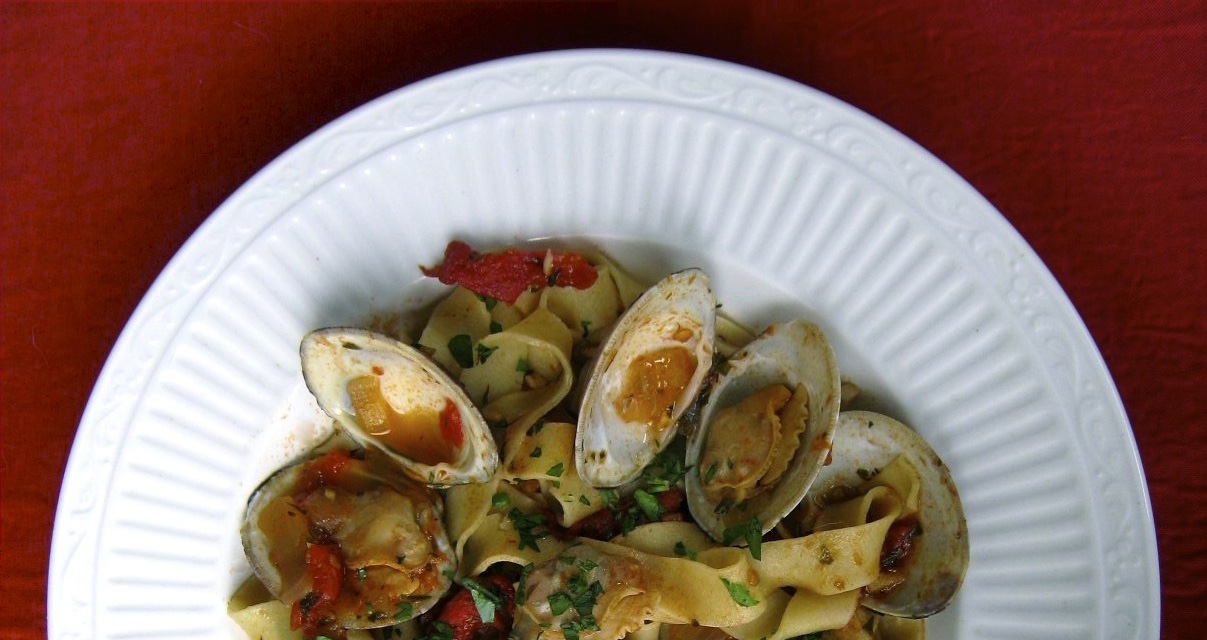
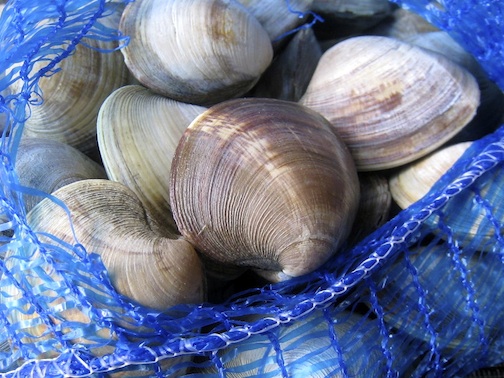
Blessed to be living on a peninsula or neighboring island, Italians enjoy a ready supply of seafood of all kinds — and their diet is all the better for it. A favorite dish of mine, whether I’m visiting Italy or at home, is pasta prepared with clams. Here in Chicago, the selection of fresh clams can be limited to cherry stones, with little necks and manila clams available sporadically. Cherry stones and little necks are actually same species of clam. The only difference is their size, with cherry stones being the larger of the two. I find little necks do taste sweeter, however, and I’ll use them whenever I can. If, however, only cherry stones are available, I’ll remove them from their opened shells during the cooking process, give them a quick chop, and then return the chopped clams and any juices to the pot. When all else fails, I have used, with some success, frozen clams and cockles purchased from a few of the area’s Asian markets. These same stores, by the way, can be a relatively cheap source for flash-frozen, vacuum-packed calamari, in any size you could possibly want.

As you can tell by this posting’s title, today’s recipe features clams cooked in a tomato sauce. In this recipe, I find that the sweet, delicate tasting clams can be overpowered by the tomatoes. So, in order to bolster the clam flavoring — and unlike the “white” version of the recipe — I’ll add a can of whole or minced clams to the sauce. It’s listed as “optional” within the recipe’s ingredients and the choice is yours to make. By the same token, whether you add any canned clams, be sure to use herbs and spices sparingly. They, too, can overwhelm the clams. It’s a tricky balance you’re trying to achieve but one definitely worth the effort.

*     *     *

Pasta with Clams (“Red Sauce”) Recipe

total time: under 2 hours (includes time to prep clams)

Ingredients

  • at least 2 doz. little neck or manila clams
  • 1 can (7 oz) whole or minced clams (optional)
  • 3 tbsp olive oil
  • 1/8 to 1/4 tsp red pepper flakes (optional)
  • 1 medium sweet onion, chopped
  • 2 cloves garlic, minced
  • 3 tbsp fresh parsley, chopped
  • 2 tbsp tomato paste
  • 1/3 cup dry white wine
  • 1 large can (28 oz) diced tomatoes
  • salt & pepper, to taste
  • 3 tbsp fresh basil, chopped
  • 1 lb cooked pasta (tagliatelle pictured above)
  • 1 cup reserved cooked pasta water
  • chopped parsley for garnish

Directions

  1. At least an hour before dinner, use a brush to individually scrub each clam before  rinsing and placing it in a large bowl of cold freshwater. Rinse them a second time just before proceeding with the recipe.
  2. Heat oil over med-high heat in a large frying pan with a lid. (If using red pepper flakes, add them now and sauté for 1 minute before proceeding.) Add onion, season lightly with salt & pepper, and sauté until translucent, about 5 minutes. Add garlic and parsley and sauté for another minute.
  3. Add tomato paste, sauté for one minute, add the wine, and then add the tomatoes. Season with salt & pepper, bring to a boil before reducing heat and  simmering for 30 minutes.
  4. Meanwhile, your pasta should be cooking, with an eye toward being drained just as the clams are opening.
  5. Increase heat to medium high, add the basil, and stir. (Add the canned clams now, if you choose to use them.)
  6. Add the clams and cover tightly.
  7. In about 5 to 8 minutes, the clams should be open & steamed. Discard any unopened clams. Replace cover and remove from heat.
  8. Combine the clams & tomato sauce with the drained pasta. If too dry, add some of the reserved pasta water.
  9. Serve immediately, garnished with chopped parsley.

Variations

Tired of tomatoes? Try the “white sauce” version of this recipe.

*     *     *

Pasta al Salmone

My introduction to pasta with salmon was some 20 years ago in Rome, during my first visit to Italy. To say that it left a lasting impression would be a gross understatement. In the years to follow, I made it my life’s quest to duplicate that recipe and it was far more difficult than one might imagine. Back then I didn’t own a PC, there was no Food Network nor Cooking Channel, and the few cooking shows that were available were mainly broadcast on PBS. (We were simple folk back then.) Duplicating a recipe meant that I had to keep trying until I got it right. Well, I’m certainly not a trained chef, by any stretch of the imagination, and it’s not as if I attempted to make this dish every week, or even every month, for that matter. Eventually, my interest waned and my “testing” stretched out over several years. Sadly, I never did get it quite right, although things may have gone differently had I remembered to record the ingredients and their amounts from one test to the next. Anyway, the sauce would inevitably be too runny or too thick and the flavor either too bland, too strong, or just plain wrong. Then, one day in my favorite Greek market, I noticed a small container of salmon pieces packed in oil. Evidently, a processing plant in Florida packaged and sold the trimmings left when smoked salmon is prepared. I bought a container, substituted its oil for some of my recipe’s butter, and chopped a portion of the salmon for use in the dish. Eureka! The result was perfection and I served it to all of my friends, to great acclaim — for all of 6 months. That’s about when the market stopped carrying the small containers of salmon. After a suitable period of mourning — during which I contacted the company and asked, unsuccessfully, if their product was sold anywhere else, not just in Illinois but in Wisconsin, Indiana, or Michigan, too — I went back into the test kitchen and my quest began anew. Today’s recipe is the result of those very tests.

I can see now that my early renditions were doomed to failure. I used too much cream, not enough salmon, and the technique was all wrong. Even my use of garlic proved to be too much for the dish. In the end, however, I did wind up with a tasty cream sauce similar to the recipe that I’ve already shared for fettuccine alfredo. Being fish-based, however, no cheese is used during its preparation, nor when it is served, and shallots are used in place of the ill-fated garlic. All was well until a few months ago when I watched a YouTube video of a woman making a pasta with salmon dish. She only spoke Italian and her video was often interrupted by advertisements for some sort of thick, cream-like, vegetable-based product. Being that my knowledge of the language is so limited, I was about to turn off the video when she added some vodka to the sauce. (I may not know many foreign words but, inexplicably, “vodka,” much like “jagermeister,” is one that I recognize in many tongues.) As a result of that video, I added an ounce of vodka to my recipe and liked the result, for it really does add a nice depth to the dish. One thing I’ve learned, though, is that when you use vodka in a recipe, be sure to use a higher quality brand. I’m not suggesting that you spend $40.00 for a bottle of vodka — I surely don’t — but do try to avoid the really cheap stuff; there is a definite difference in taste. Lastly, as far as the vodka is concerned, if you’re going to use some, be sure to remove the hot pan from the heat source before you add the liquor. This is true whenever you add alcohol to a pan. If poured near a flame, the fumes alone may ignite and you could have a nasty situation to deal with. Just remove the pan from the heat, add the liquor, give it a quick stir, and return the pan to the stove top — and keep a pan lid nearby to smother any unexpected flames. Safety first, always.

This sauce should take about 7 or 8 minutes to prepare. Keep that in mind as you cook the trenette, or whatever pasta you intend to use. In a perfect world, the pasta will be draining just as the sauce finishes. Your odds will improve if you remember that fresh pasta cooks relatively quickly, in a few minutes, and that dried pasta can take twice as long to reach al dente. Read the package instructions and plan accordingly. And be sure to reserve some of the water used to cook your pasta just in case the sauce needs a little more liquid.

*     *     *

Trenette al Salmone Recipe

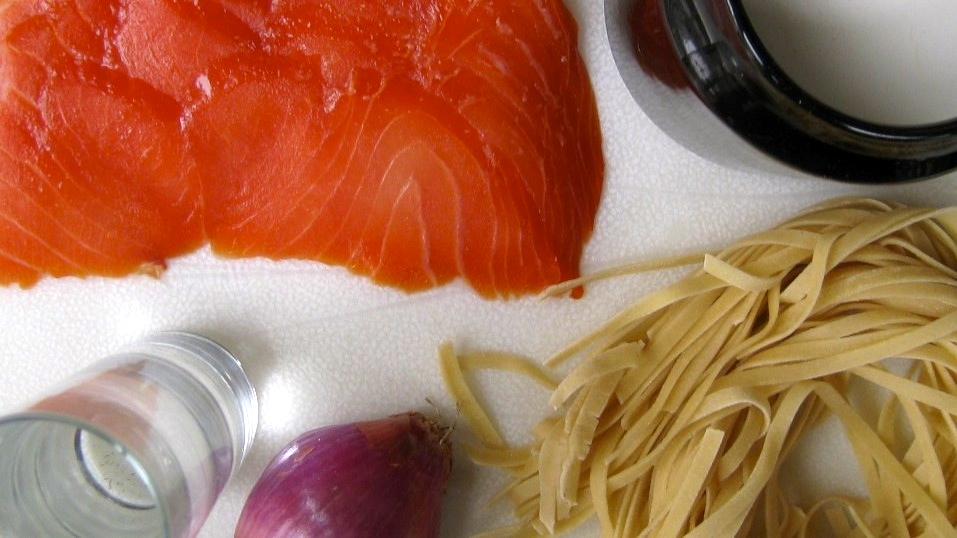
Ingredients

  • 1/2 stick (1/4 cup) butter
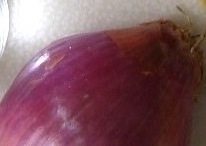
  • 1 shallot, chopped fine
  • 1 cup heavy cream
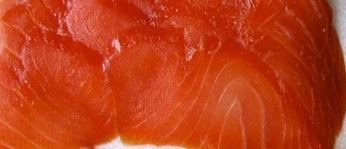
  • 1/2 lb (8 oz) smoked salmon, cut into 1 1/2 to 2 inch strips
  • 1 oz vodka (optional)
  • 1 lb cooked trenette
  • 2 tbsp fresh parsley, chopped, separated
  • salt & ground white pepper, to taste
  • reserved pasta water

*     *     *

*     *     *

Directions

  1. Melt butter in a large, deep frying pan over med-high heat.
  2. Add shallots and sauté until soft, about 2 minutes.
  3. Add salmon and continue sautéing for another 2 minutes.
  4. Remove pan from heat, add vodka, give the pan’s contents a quick stir, and return to heat.
  5. After a minute, add the cream and continue cooking until sauce thickens slightly, about 2 – 3 minutes.
  6. Season with 1 tbsp of the parsley and salt & pepper to taste before adding the cooked trenette to the pan. Mix until the pasta is well-coated. If necessary, add a little of the reserved pasta water.
  7. Garnish with remaining tbsp of parsley and serve immediately.

Variations

The use of vodka in the recipe is certainly not required and is completely your choice. If you opt to use garlic in place of, or along with, the shallots, be careful not to be too heavy-handed. The star of this dish is the smoky flavor of the salmon and too much garlic will interfere with that.

And I’m begging you: Please, no cheese!

Notes

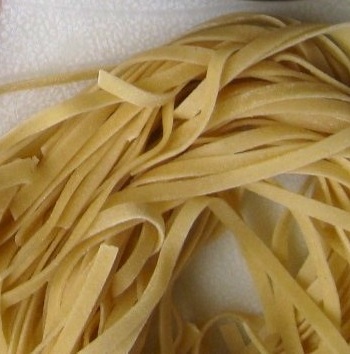
Traditionally served with pesto, trenette are thin, ribbon-like pasta that are just a bit more narrow than linguine. I prefer trenette over all other pasta simply because their width mirrors that of the pasta Mom and Zia cut by hand during my youth. In fact, when I demonstrated the pasta cutter for Zia, she agreed with my memory and I bought her a trenette cutter shortly thereafter.

*     *     *

Fazzoletti Pasta

It’s been said that the Inuit have 100 words for “snow.” I’ve no idea whether that’s true but I bet the Italians with their pasta can come close, matching them pasta shape for snow term. You see, as many pasta shapes and sizes that you may find in your local market, they are but a small fraction of the pasta varieties available, particularly if you’re lucky enough to visit Italy. It’s as if every restaurant there features a couple pastas that you’ve never heard of, each of which comes with some story behind it. Fazzoletti, today’s recipe, is one of those pastas. Derived from the Italian word for handkerchiefs, Zia and I were served this pasta for lunch one day in a small restaurant not far from the Coliseum of Rome. Today, I usually make fazzoletti with the dough scraps left when I’ve made some other pasta. Definitely the easiest of pastas to make, they are simply squares that can be anywhere from 3 to 6 inches long, per side. Personally, I tend to make mine around the 3 inch mark but two or three 6 inch fazzoletti, lightly dressed, make a perfect primo piatto. Whether you serve them large or small, you’ll amaze your dinner companions with your knowledge of Italian cuisine’s more obscure pastas. It works every time.

*     *     *

Fazzoletti Pasta Recipe

total time: approx.  45 minutes (includes resting time)

Ingredients

  • 1/2 lb. fresh dough, (about 1/3 of Mom’s Pasta Dough recipe or use dough left over from some other preparation)
  • extra all-purpose flour for dusting the work surface and pasta sheets
  • To serve: your favorite tomato sauce (marinara or meat-based) or your favorite pesto (traditional or Trapanese).

Directions

  1. Steps 2 though 7 are a partial reprint of the directions found here Home-Made Fettucine, Linguine, Capellini
  2. Be sure the dough has been allowed to rest at least 15 minutes before starting to roll it.
  3. Using a knife or dough scraper, separate a ball of dough, roughly the size of a very large egg. With your hands, flatten the dough somewhat, making a square. Set your machine’s rollers to the widest setting and dust the rollers with flour.
  4. Place one edge of the dough between the rollers and turn the crank, causing the dough to grow thinner as it passes through the rollers. Lightly flour the dough, fold it in half upon itself, and pass it through the rollers again. Repeat this, without adjusting the rollers, a few times.
  5. Repeat steps 3 & 4. In fact, work with as many dough “eggs” as you are comfortable handling. Just remember to keep the remaining dough covered while you work with the “eggs.”
  6. Once you have rolled a few “eggs”, adjust the rollers to the next setting and pass each dough sheet through the rollers. If the dough is at all sticky, dust the sheets with flour. When all the sheets have been rolled, fold each in half and send through the rollers again.
  7. Adjust the rollers and repeat Step 6, again and again, until the strips are the desired thinness. You should no longer need to flour the strips between passes through the rollers.
  8. Lay a dough strip on the work surface. Use a pastry cutter to cut the strip into equally sized squares. Remove the fazzoletti and place in a single layer on a floured surface or lined sheet pan.
  9. Cook ASAP. Storing dried fazzoletti is problematic and some breakage is all but assured.
  10. Fresh fazzoletti will take minutes to cook in a pot of salted boiling water. Once cooked al dente, reserve some of the pasta water and either pour the pot’s contents into a colander or use a “spider” skimmer to remove the pasta from the water.
  11. Drain, lightly dress with either sauce or pesto, using some of the reserved pasta water if necessary. Serve immediately. If you prefer large fazzoletti, use tongs to carefully place and fold, in a seemingly careless manner,  the dressed pasta on each serving plate. (Remember: it’s all about presentation. You do not want a large fazzeletto laying flat upon the plate, nor is it desirable to serve several smaller fazzoletti stacked like pancakes.)

*     *     *

*     *     *

Notes

As I’ve mentioned, I normally make fazzoletti out of pasta dough remnants, most often after making  a tray of lasagna for friends. I usually have enough pasta dough and sauce left over that I can quickly make myself a nice dinner of fazzoletti. If, heaven forbid, I don’t have any sauce, I can either serve it in bianco or grab some pesto out of the freezer. No matter how it’s dressed, you can be sure that I’ll be enjoying a dish of freshly made fazzoletti that evening while reminiscing about Italy, as will Zia when she reads this recipe.

*     *     *

Pasta with Clams (“White Sauce”)

Pasta con VongoleWhenever I’m lucky enough to visit Italy, I make a point of ordering pasta with clams at least once while I’m there. Using varieties of clams I’ve never seen stateside, my pasta is served chock full of tiny, incredibly sweet bivalves no bigger than my thumbnail. What a treat! Back here at home, when I’m in an adventurous mood, I’ll make a run to the Asian markets to try some of the varieties of clams that they have on hand. More often than not, however, I’ll just head to one of the better groceries and pick up some littleneck or manila clams. When I do, I know that night’s dinner will be something special.

With no tomato sauce to simmer, this is an amazingly simple recipe that results in a very flavorful dish. Just toss a few ingredients into a frying pan while your pasta cooks and, in about 10 minutes, you’ll be sitting down to dinner. It really is as simple to make as it is delicious to eat.

*     *     *

Pasta with Clams (“White Sauce”) Recipe

total time: approx.  90 minutes (75 minutes for prep, 15 minutes cooking)

Ingredients

  • at least 2 doz. little neck or manila clams
  • 3 tbsp olive oil
  • 1 to 2 cloves of garlic, minced
  • 3 tbsp fresh parsley, chopped
  • 1/4 cup white wine or water
  • salt & pepper, to taste
  • 1 lb pasta
  • chopped parsley for garnish

Linguine with Clams

Directions

  1. At least an hour before dinner, use a brush to individually scrub each clam before  rinsing and placing it in a large bowl of cold freshwater. Rinse them a second time just before proceeding with the recipe.
  2. Bring a 6 quart pot of salted water to boil.
  3. Add oil to a large frying pan with a lid. Add the garlic, parsley and the wine or water.
  4. Add the pasta to the pot of salted boiling water. The pasta, if dried, should take 9 or 10 minutes to cook. If fresh, less time will be needed. Time it so that its completion coincides with that of the clams.
  5. Just when the frying pan’s liquid begins to show signs of boiling, add the clams and cover tightly,
  6. In about 5 to 8 minutes, the clams should be open & steamed. Discard any unopened clams. Replace cover and remove from heat.
  7. Reserve 1 cup of the pasta water, drain the pasta, and combine the clams & pan juices with the drained pasta. If too dry, add some of the reserved pasta water.
  8. Serve immediately, garnished with chopped parsley.

Variations

This dish is totally reliant upon timing. If you’re off, the pasta will not be piping hot or, worse yet, the clams will be over-cooked and chewy. Just heed the pasta package’s instructions and keep in mind that the clams will open about 5 minutes after they hit the hot pan. Very often, if my clams are ready and my pasta still needs another minute or two, I’ll use the time to remove some of the clam meat from the shells. I won’t remove all of the meat from the shells because I prefer to see a few shells in each serving. It’s all about the presentation.

Notes

When in Italy, one is far more likely to see this dish than you would pasta with clams in a tomato (“red”) sauce. The latter dish, however, is more popular here in the States.  Truth be told, I usually prepare today’s recipe and only “go red” about 25% of the time. The choice is yours to make and here’s my recipe for Pasta with Clams – (Red Sauce) for those who prefer their clams in a tomato sauce.

*     *     *

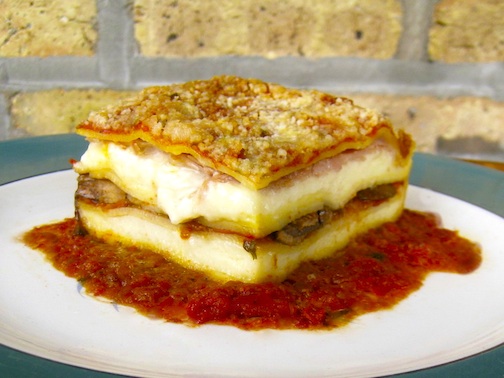
Lasagna – Not at all like what Mom used to make

To many, lasagna is a multi-layered pasta dish with ricotta cheese between the layers, all of which are bathed in a rich tomato sauce and topped with melted mozzarella cheese. Any number of cheeses can be added, along with spices and herbs, to the ricotta, depending upon the cook’s preference. As has been mentioned, my family’s recipe doesn’t use ricotta at all, as you’ll see in some future post. This post, however, is devoted to a 3rd lasagna, a recipe that I saw on some PBS cooking show about 20 years ago. It is, by far, the lightest of the 3 lasagne, with a unique blend of flavors.

*     *     *

*     *     *

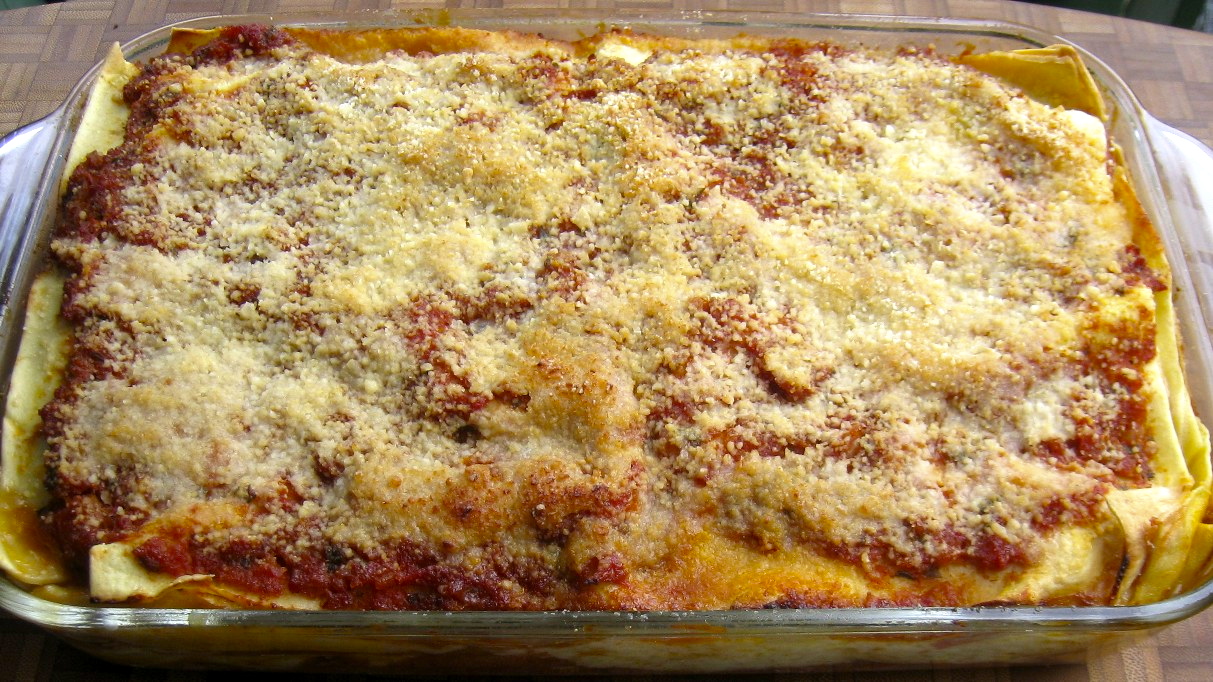
Today’s recipe consists of layers of pasta, each topped with either a marinara or a parmesan-flavored white sauce (besciamella), with mushrooms and prosciutto thrown in for good measure. No, it’s not at all like most lasagna recipes but still a good one, nevertheless. If, however, it’s not lasagna unless you see ricotta and mozzarella, then this dish probably isn’t for you. That leaves all the more for the rest of us.

*     *     *

Not My Mom’s Lasagna Recipe

total time: approx.  1:45

Ingredients

Red Sauce

White Sauce

  • 6 tbsp butter
  • 1/4 cup corn starch
  • 2 cups milk, divided
  • 1 egg, slightly beaten
  • 3/4 cup parmesan cheese — more if you like

Lasagna

  • 1/4 lb prosciutto, sliced thin
  • 1/2  – 3/4 lb mushrooms, sliced
  • 1/4 cup parmesan cheese — at least
  • Enough cooked lasagna noodles (or “No Boil”) to make 4 pasta layers

*     *     *

*     *     *

Directions

Make the White Sauce

  1. Melt butter over a low flame. Add corn starch and whisk until smooth.
  2. Add 1 cup of the milk and whisk until milk begins to thicken. Add the rest of the milk and whisk until it, too, thickens.
  3. Add the egg and stir vigorously to insure that egg is blended before it cooks.
  4. Add parmesan cheese, stir to combine, and remove from heat.

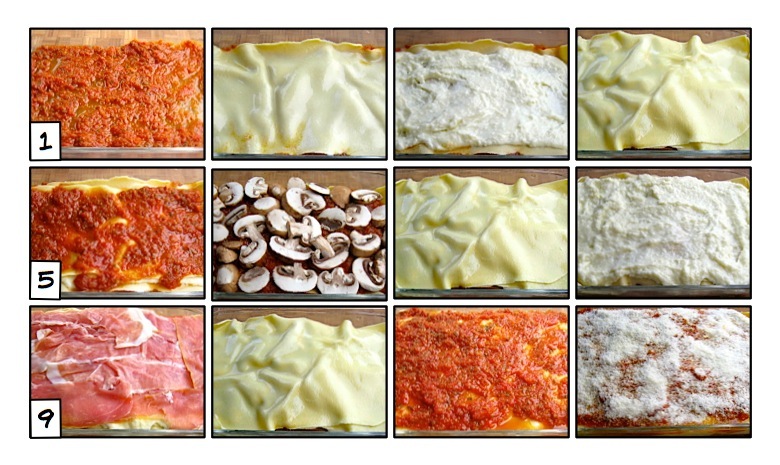
Assemble the Lasagna

  1. Pre-heat oven to 350*.
  2. Generously butter a 9 x 13″ baking dish or pan. Coat the bottom of the dish with red sauce.
  3. Add 1 layer of noodles and then coat them with 1/2 of the white sauce made above.
  4. Add a 2nd layer of noodles and then a coating of red sauce. Add the mushrooms in an even layer atop the sauce.
  5. Add the 3rd layer of noodles, covering them with the rest of the white sauce. Cover this layer with all the prosciutto.
  6. Add the 4th and final layer of noodles, cover liberally with red sauce, and sprinkle the top with as much parmesan cheese as you like.
  7. Place in pre-heated oven and bake until heated through, 40 – 45 minutes. Let rest 10 minutes before serving.

*     *     *

*     *     *

Variations

I’ve not toyed with this recipe at all, since seeing it prepared many years ago. For my tastes, it’s fine the way it is. Should you add a little something to improve the dish, however, drop me a line. I’d love to give it a try.

*     *     *